You would like to see the world without necessarily draining your bank account. You can do it. Budget travel is nothing to do with torture. It is concerning spending on the things that are of the highest priority to you. I have been moving across continents with low finances in the last 20 years, often relying on cheap flights last minute deals to stretch my budget further. I got to know the tricks, get to make the mistakes and develop a system. This reference book is a share of that system.
You will know by the end how to find cheap flights, the appropriate place to sleep, eat well, on a low budget and fill your days with free adventures. They are applicable among the backpackers, families, digital nomads and even travel agents who feel like they can assist the budget clients.
What Is Budget Travel?
Budget travelling is having your money and your values to match. You do spend on the hotel bar that charges way too much but instead on that food tour up that street. You take the local bus rather than a taxi in order to experience the city. It is a purposeful method of discovering.
It serves students, individual travellers, remote employees, couples and families. It is applicable regardless of your stay at the weekend or even a year. The fundamental concept remains the same; plan smart, keep flexible and rely on local knowledge.
How to Plan a Trip Without Overspending
Budget is prevented by planning. This is a simple chain to follow prior to booking anything.
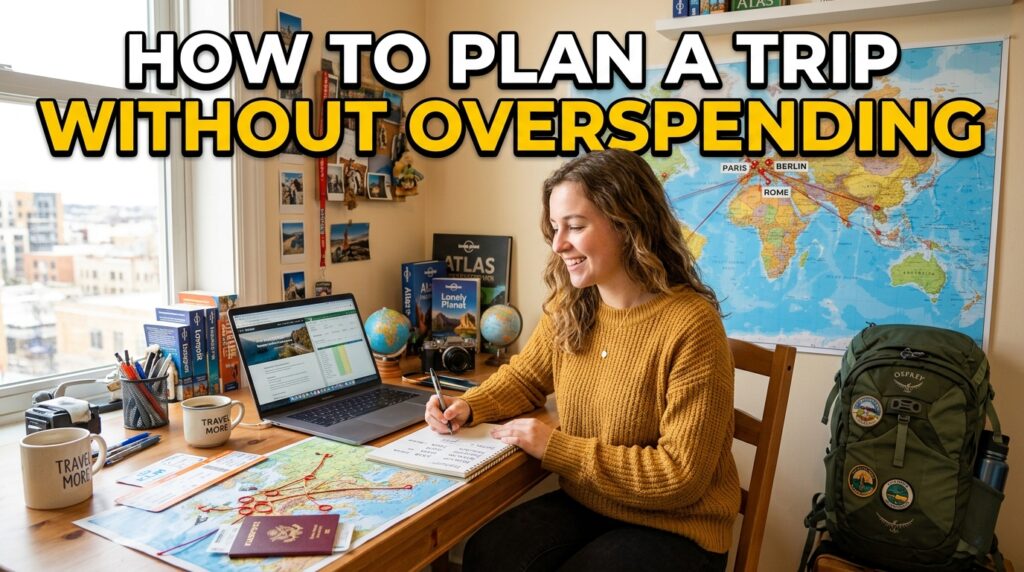
Set a Total Trip Budget, Not Only a Daily Limit
The large single expenditures include flights and long train rides. They are not repeated everyday. So begin with the amount of money you have spent on a trip.
Make up your mind on how much you will spend as a whole.
Take the difference of the cost of the round trip flight.
Take the remaining and divide it with the number of days of travel.
Assess accommodation costs, 60/25/15.
Example: You have flown 15 days and have left with 900. That will give you a 60perdaybase.About36 goes to a bed, 15tofood,and9 to fun and buses.
Pick Your Destination Based on Cost, Not Only Dreams
You can be deceived by a low fare flight to a high fare city. Take the reverse planning approach: allow costs on the ground to guide you.
| Cost Factor | Less expensive Destination | More expensive Destination |
|---|---|---|
| Dorm bed | $8–12 per night | $35–50 per night |
| Street meal | 1.50–4 | $10–15 |
| Bus day pass | $1–3 | $5–12 |
| Main museum entry | Free or $2–5 | $20+ |
Check recent blog posts or search forums such as Reddit before you commit, to get the current local prices.
Pre-trip checklist:
-
Place fare alerts on Skyscanner and Google Flights.
-
Type in “free things to do in [city]”
-
Download offline maps and translation programs.
-
Reserve just the first two nights; be flexible so as to make more deals on the ground.
Also Read: Budget Backpacking Europe Tips
Saving on Transportation
Transport is a frequent large bite. The following is how to make it smaller.
How to Find Cheap Flights
These six steps can be followed each time you search:
-
Open one of the flight aggregators, such as Google Flights or Skyscanner.
-
Use the “whole month” or “flexible dates” view.
-
Look into the airports in the area; a cheap bus ride can save you hundreds of dollars.
-
Place price alerts and wait until there is a dip.
-
Reserve two to three months in advance of domestic travel, three to five of international travel. Unless you notice an error fare do not be tempted to book the three-week rush before departure.
-
Use incognito mode to search so that the price does not change based on cookies.
Error fares: Sometimes airline companies have incorrect prices posted. They are identified by services such as Secret Flying, Cheap Flights by Scott. You need to reserve quick and remain adaptable with dates.

Buses, Trains, and Rideshares
In Europe, FlixBus or BlaBlaCar can tend to be cheaper than trains. Overnight buses in southeast Asia are used to save a night accommodation. In the case of trains, a Eurail Pass will only make a difference in the amount of money saved in case you make numerous long trips. To the majority of travelers, point-to point tickets cost less.
| Transport Type | Best For | Cost Tip |
|---|---|---|
| Budget airlines | Long distances, short time | Watch for flash sales |
| Overnight bus/train | Long-haul overland | Saves on one hostel night |
| Ride-sharing (BlaBlaCar) | Regional trips in Europe | Door-to-door, low cost |
| Local public bus | In-city and short hops | Buy a day pass |
When landing, it is time to open Google Maps and type “cheap restaurants near me” or “public transport app [city]” and move like a local. One of the rides on a motorcycle taxi through Grab or Bolt usually cost a fraction of the price of a personal car.
Affordable Accommodation Strategies
The place you stay will either take a toll on your finances or give it a breath. Choose and match your option with your form of travel.
Accommodation Types Compared
| Type | Cost per Night | Good For |
|---|---|---|
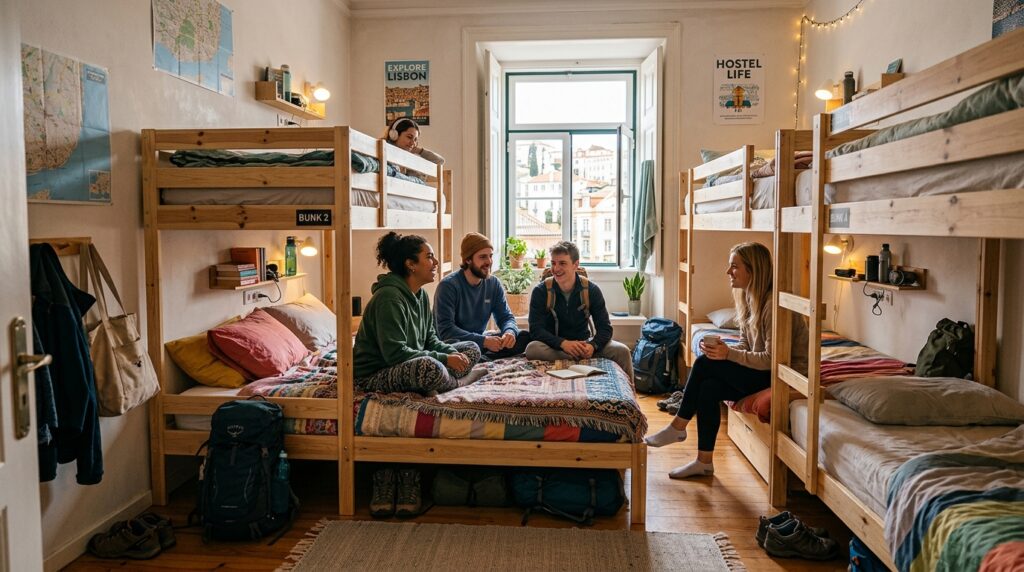
| Hostel dorm | $10–40 | Solo travellers, social scene |
| Budget guesthouse | $25–70 | Couples, private space |
| Airbnb (entire place) | $40–120 | Families, groups, longer stays |
| Couchsurfing | Free | Cultural exchange, short stays |
| House sitting | Free (membership fee) | Slow travellers, animal lovers |
Sitting of houses is a silent revolution. There are also sites such as TrustedHousesitters that will match you with people who have pets and need help to care for their pets. You stay for free. In this manner I have put together months of free accommodation.
Work exchange programs such as WWOOF, Workaway and HelpX provide a bed and meals free of charge in exchange of some hours of daily assistance. It prolongs your journey and makes you connect more to a location.
Tippit of local intent: Walk into a small guesthouse in either Asia or Latin America and request a weekly rate. You usually get a cheaper price compared to the online price.
Decision framework: How do you feel about friends and a social atmosphere? Select a hostel. In case you require a kitchen and privacy, rent an apartment. In the event that you have time, and wish to have no lodging costs, consider house sitting or a work exchange.
Eating and Drinking on a Budget
Food makes you get connected with culture. It also lures you into over spending.
The rule of Locals-Only: Stroll three blocks out of the central square. Pull up in an area that is populated. Filter by using Google Maps, selecting the filter by $ and reading the new review.
-
Breakfast: Take pastries in a bakery, fruits in a market.
-
Lunch: Have a fixed-price menu. In Spain it is known as menú del día, in France it is known as formule déjeuner. It is half-dinner.
-
Dinner: Have dinner at the street, or get food in your own apartment. In Bangkok, a cart pad thai is less than $2. In Mexico City, tacos al pastor cost less than a dollar apiece.
-
Beverages: Purchase beer, wine and water at the grocery store. Avoid hotel minibars. Have a reusable bottle. In most of Europe and North America the tap water is safe. Where not, sterilize with a SteriPen or filter.
Free and Low-Cost Activities
Rich spending is not required to maintain rich memories.
-
Free walking tours: The tip-based tours are available in virtually every major city. Go using GuruWalk or inquire in your hostel.
-
Landmarks and museums: Most of them have free days. The national museums of London are free at all times. Free first Sundays are available in Paris museums.
-
Parks, beaches and hikes: Nature does not impose any fees. A picnic, a local cheese and bread is better than an expensive restaurant view.
-
Community events: Open air concerts, street fairs and local festivals seldom require an entrance fee.
On-the-ground search behavior: When you get there, search either “free events this weekend [city]” or “best sunset spot [city]”. Inquire of hostel employees or your host in the guesthouse. They are familiar with the undiscovered treasures.
Budget Travel by Region
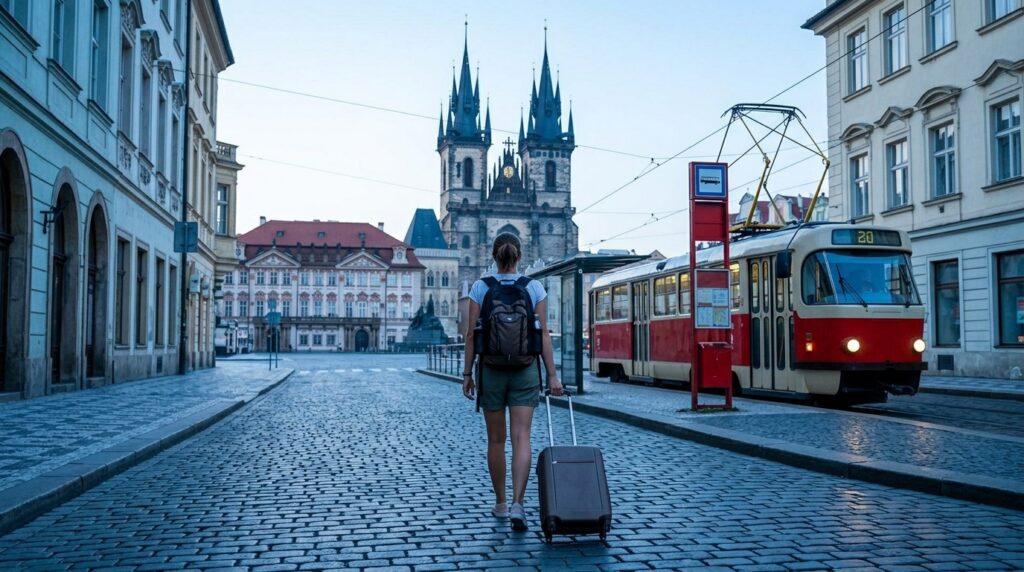
Prices play all over the map. The following are practical daily budgets of a backpacker staying in a dorm, eating street food and taking local buses:
| Region | Daily Cost (approx.) |
|---|---|
| Southeast Asia | $25–40 |
| India / Nepal | $15–30 |
| Eastern Europe | $35–55 |
| Western Europe | $60–100 |
| USA major cities | $70–120 |
These statistics do not incorporate flights. They provide you with a baseline on which to make plans. Customize to your level of comfort.
Local discovery example: In Tokyo, which is an infamously expensive city, you can sleep in a capsule hotel, eat fresh konbini meals at 7-Eleven and visit free temples and parks. Daily budgeting of $50 is doable provided you are able to plan ahead.
Money-Saving Travel Gear
Some clever buying will put itself to the fore.
-
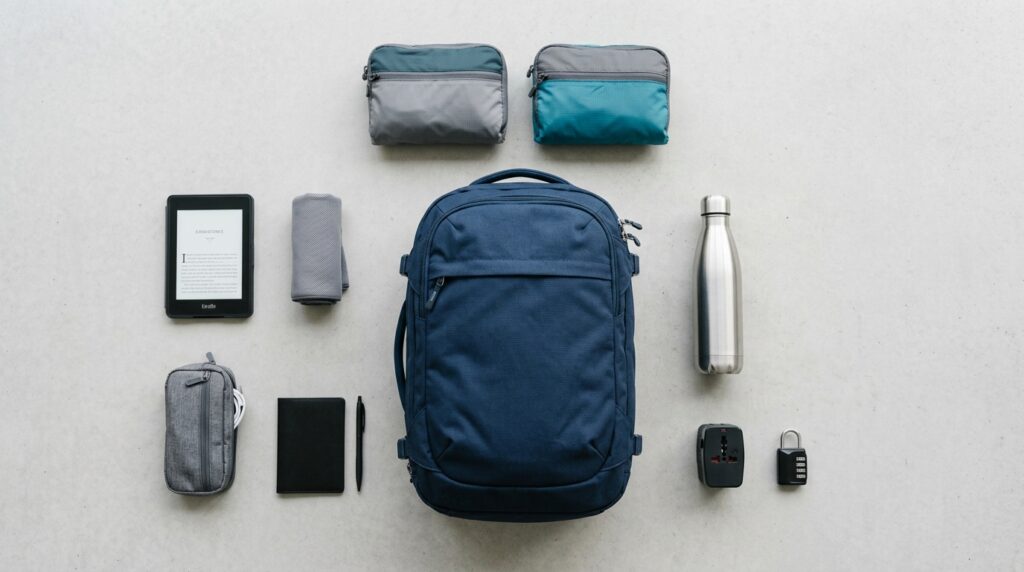
Carry-on backpack (40 liters maximum): Evade the checked-bag charges and travel quickly.
-
Reusable water bottle with filter: Saves money on plastic bottles and helps to reduce waste.
-
Universal adapter with USB ports: Use a single plug to access it all.
-
Pacsafe or portable safe: Lock up your valuables in the dorms that do not charge locker fees.
-
Packing cubes: Get you organized; they are never charged by the airlines.
-
E-reader loaded with library books: Guides and novels without the bulk.
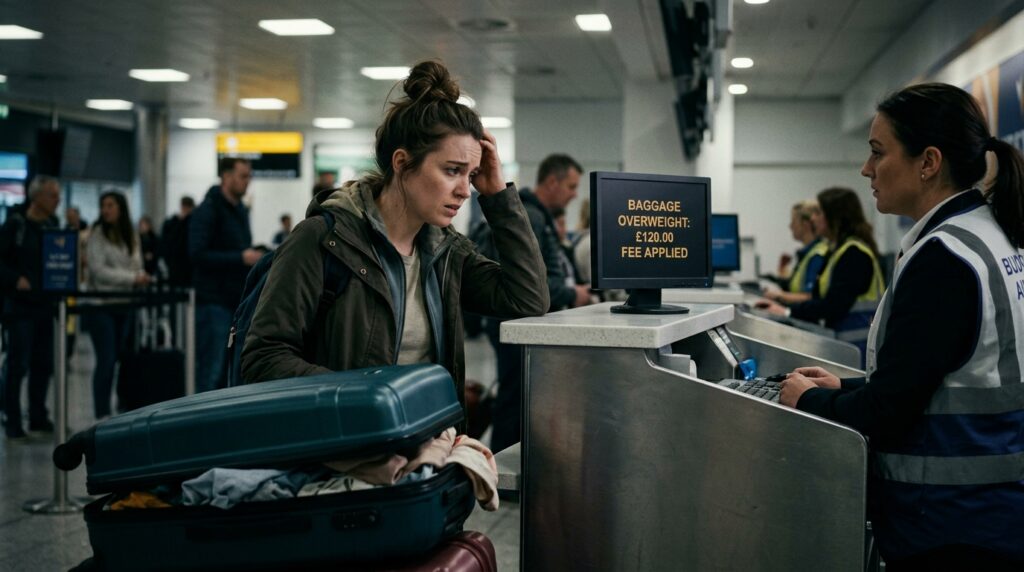
On one occasion, I hauled a 70 liter bag throughout Asia. On five flights, I had to pay excess baggage. The conversion to carry-on would only save hundreds of dollars and allow hopping on a last-minute bus without any problems.
Managing Money While Traveling
There are silent budget killers in the form of banks and ATMs.
-
Get hold of a no-foreign-transaction-fee card. Good alternatives include Wise, Revolut and Charles Schwab.
-
Always make payment in local currency. In case any terminal offers to exchange to your home currency, reject. The exchange rates of the currency are not good.
-
Take bigger amounts less frequently to save on ATM fees, or use a card that will reimburse ATM fees.
-
Separate your money. Keep two cards and a small emergency amount of cash in various locations.
-
Monitor day-to-day expenses using the services of an app, such as Trail Wallet or TravelSpend. You intercept little leaks before they develop into big problems.
Common Budget Travel Mistakes
Teach back my scars.
-
Making non-refundable rates too early. Flexibility can frequently win over early-bird deals.
-
Disregarding baggage charges on the low-cost carriers. This 30ticketisnow80 with a carry-on.
-
Having all your meals in and around the tourist attractions. Take a 10-minute walk and save half.
-
Always taking taxis. The adventure includes local buses, which are much cheaper.
-
Skipping travel insurance. A single visit to the hospital will wipe years of savings. Low cost carriers, such as SafetyWing, are as cheap as $40/month.
-
Losing memory of visa and exits. Certain nations require the evidence of the further movement or exit levy. Be sure to check before you go.
Caution: Freebies in tourist hotspots, such as a bracelet or a guided walk, may culminate in violent requests to pay. Graciously reject and proceed.
A Word for Travel Professionals
Budget clients can be well served by travel agents and tour operators. The need to have low-priced yet authentic travel continues to increase year after year. Get to know low cost airlines, low cost accommodation networks, and local guide cooperatives. Provide planning based on a fee that will save clients more than the fee. Showcase local hidden gems and free local experiences. When you demonstrate that low-cost travel does not necessarily equate to low quality, your experience will come in handy.
Frequently Asked Questions
How do I start planning a budget trip?
Start by having a total amount of money that you can spend. Take away your estimate of a round trip flight. Divide the remaining by the number of travel days. That is the number that you can use to inform your accommodation and food decisions. The research expenses in some of the candidate destinations and select the one that suits.
What is the cheapest day to book flights?
No one day is cheap. The actual savings achieved are through the use of the flexible date search features, flying in the middle of the week, and comparing the nearby airports. Activate a fare alert, and make a booking when the price falls.
Can families really travel on a budget?
Yes. Get an apartment with kitchen. Cook some meals. Use public transport. Find family tickets when visiting museums and other attractions. Various cities have free or cheap activities which children can take part in.
Is it safe to stay in hostels?
Yes. Check the latest reviews of Hostelworld. Select locations that have good ratings in security level and cleanliness. Store valuables in a locker or portable safe. Majority of the hostels are social, well managed and hospitable.
How do I avoid hidden fees while booking?
Never leave the fine print on the budget airline tickets, hotel bookings and car hires. Find cleaning charges, service charges and baggage charges. Pay using a card that does not pay any fees incurred during foreign transactions and pay in local currency.
How does house sitting work and is it safe?
Homeowners post their homes on such websites as TrustedHousesitters. You apply, interview and in case you are chosen, you stay at no cost and in return, they provide pet and home care. Read carefully and verify details, sit shorter to become more confident.
Can I really travel for free?
Work exchange programs (Workaway, WWOOF) or house sitting will cover large expenses, such as accommodation and food. Credit card points are used by some travel hackers to fly. Zero-cost travelling requires time and flexibility but can happen.
What is the best budget travel insurance?
Among long time low end travelers, SafetyWing and World Nomads are popular. Compare medical emergency, trip cancellation and gear theft coverage. It is more important that a plan fits your level of risk and activity than that a plan has the lowest price.
Conclusion
It does not take a lot of money to see the world. You must have a strategy, adaptability and the readiness to journey as a neighborhood. Begin with a single low fare notification. Attempt to use one new type of accommodation. Track your spending. With every journey you learn more.
Thousands of inexpensive meals, free sunsets and warm beds are available in the world. To access them, use the tools and tactics in this guide. There is no limit to budget travel. It is an art which is a door opener. Go plan your adventure. Live cheaper, do more and take these teachings everywhere you go.