The Guide Mandate Hit Harder Than I Expected
The government of Nepal implemented a new policy in April 2023 that no foreign trekkers are allowed to venture into protected areas without having a licensed guide. This includes the following: Sagarmatha National Park (Everest), Annapurna Conservation Area, Langtang National Park, Manaslu and Makalu Barun. No more walking into a TIMS pass and map.
The first time I heard of it I was mad. My Annapurna Circuit of 2016 was an unstructured walk. I’ve made all the decisions all by myself. Though after a couple more times using the new system, I see the logic. The team’s ability to make the high altitude rescues was using up local resources. The number of people who went astray or fell ill on the trail, and were unable to call for assistance, was too many. The Nepal Tourism Board and the Taan, resisted the rule with all their might.
Thankfully “solo” does not equate to “group.” Today it translates to you and one guide. You set the pace. Lunch break is at your discretion. You walk alone, thinking that they’re behind. I don’t consider my guide to be my tour guide, I consider my guide to be my safety net.
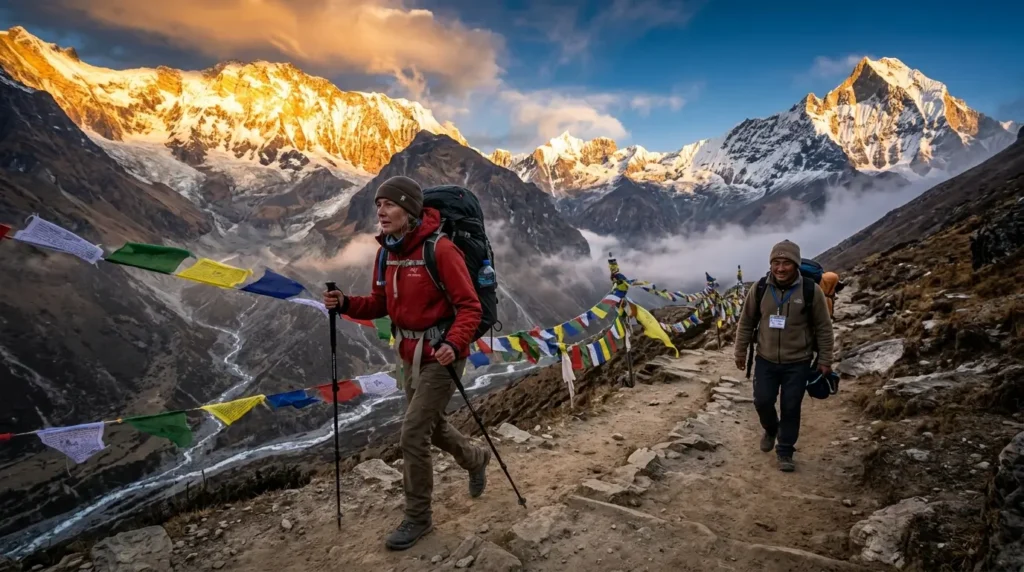
Can I Still Trek Completely Alone?
Not in the large public parks. It is prohibited to trek without a guide in Annapurna, Everest, Langtang, Manaslu and Makalu Barun. There are people that have been known to slip in, but if you are caught you will get fined and will be turned back. Don’t risk it.
Some lower hill paths are found that do not extend beyond Pokhara and the Kathmandu Valley. Village to village, not glacial! Only a day’s worth of fines, but don’t scratch the big mountain itch.
What Permits You Need and What They Cost
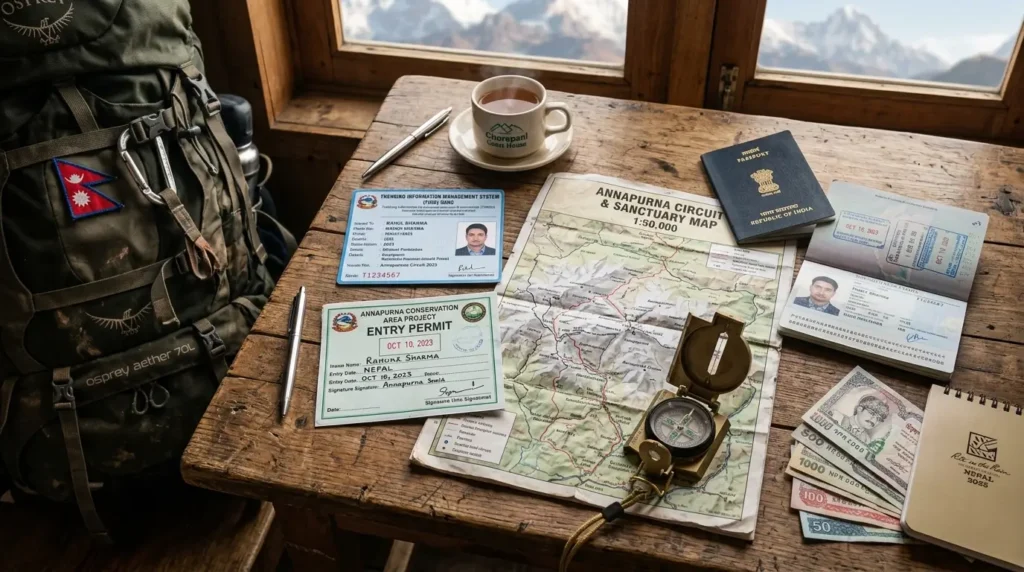
Your guide will arrange all paperwork but I keep my own copy and always cash in Nepali rupees!
- TIMS Card (Trekkers’ Information Management System): NPR 3,000 (~USD 23)
- ACAP (Annapurna): NPR 3,000
- Sagarmatha National Park Entry: NPR 3,000
- Langtang National Park Entry: NPR 3,000
- Manaslu Restricted Permit: $100 per week (autumn)
- Upper Mustang Restricted Permit: $500 for 10 days
Routes That Actually Feel Solo
Groups are found on some trails. Some other people make you go away. I search for teahouse networks which are not flooded and landscapes which are ripe for quiet.
| Trek | Days | Difficulty | Solo Vibe |
|---|---|---|---|
| Mardi Himal | 5–7 | Moderate | Very quiet side trail, thick forest, less trekkers |
| Ghorepani Poon Hill | 3–5 | Easy–Moderate | Short, great sunrise, busier but good for beginners |
| Langtang Valley | 6–8 | Moderate | Emotional region after the quake of 2015, feels remote |
| Annapurna Base Camp | 7–11 | Moderate | Varied, no flight needed, good teahouses |
| Everest Base Camp | 12–14 | Strenuous | Iconic but packed; choose a guide familiar with side paths |
| Pikey Peak (Lower Everest) | 6–8 | Moderate | Very few crowds, huge Everest view, cultural villages |
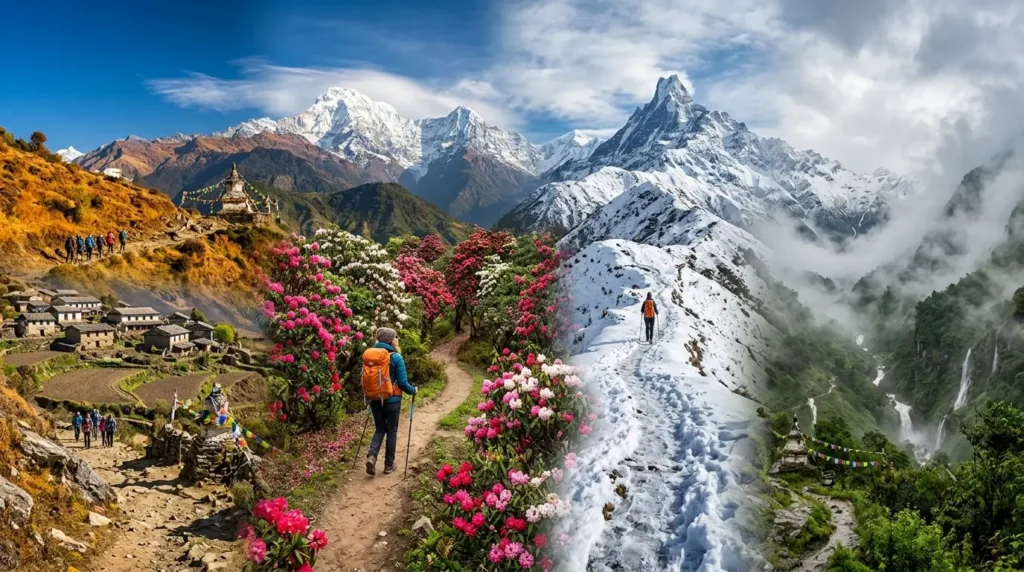
Currently my favorite is Mardi Himal. Last time I went there were approximately 10 trekkers every day. The trail goes through rhododendron forest and opens onto a ridge with a jaw-dropping view of Machapuchare. I’ve felt the same way as when I was away alone the most.
Real Cost Breakdown
In this post I’ll share with you some of my expenses for a 10-day trek to Annapurna Base Camp with a private guide and no porter. Early 2025 prices are per person, in USD.
Daily On-Trail Costs
- Teahouse room: $5
- Three meals: $13 (this is the cost of the dal bhat, which is the budget base)
- WiFi, charging, hot shower, snacks: $5
- Daily total: $23
Fixed Costs
- Permits (ACAP + TIMS): $46
- Private guide (10 days × $30): $300
- Tourist bus Pokhara round trip: $20
- Hospitalisation and evacuation to 6,000m: $150
- Miscellaneous tips, gear, buffer: $40
- Total: $626
The base camp at Everest runs $1,300–$1,500 for 14 days to compensate for the Lukla flight ($180 each way) and more expensive food at higher altitudes. The guide cost is the solo premium. You pay the entire day’s fee. If it was a group, it would be divided amongst them. I pay that additional gladly for the quiet.
How to Hire a Private Guide You Actually Like
I have had some where I would recommend going and one where I wouldn’t. It was the screening that was different.
Where to Look
- Registered agencies in Thamel, Kathmandu under TAAN
- A few agencies for lakeside are found in Pokhara
- Facebook groups such as “Trekking in Nepal” offer personal recommendations
- There are even some independent guides who have Facebook pages that have true reviews
Agencies mark up 10–20%. That’s one that can be saved by going direct, but if your guide falls ill then you’re in trouble. I’d like to go with an agency for the backup.
My Vetting Script
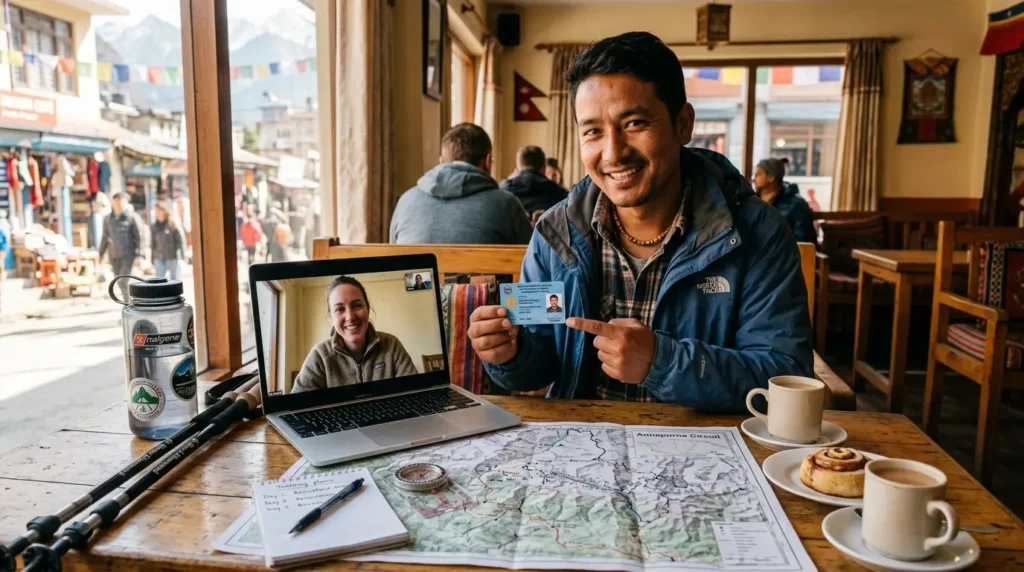
I ask these questions in a video call prior to giving money.
- “Please reveal your NATHM license card.” No card, no deal.
- “How many times have you run this route in the past?” Trail conditions shift.
- “Explain what you did to deal with the effects of altitude sickness.” They have to speak of a fall, rather than sleeping.
- “Are you comfortable with being without words and working at an uneven speed?” This eliminates some guides who like to have control over everything.
I have at one time been referred to a friend and hired him without researching his license. It was expired. He was a good person, but I violated my rule! Now I demand that you show me the plastic card.
Safety, Altitude and the Solo Factor
Self monitoring is the best way to monitor. They work with guides who are trained, but have seen them shrug off early symptoms.
AMS Rules I Follow
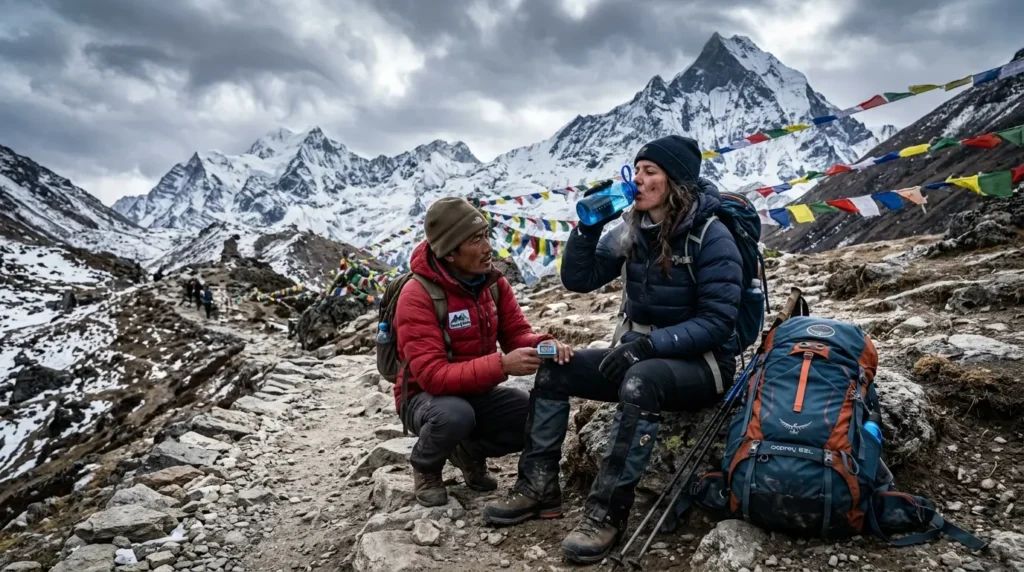
- When sleeping at an altitude above 3,000m, the sleeping altitude does not exceed 500m per day.
- I consume 4 litres of water. I count bottles.
- Headache, nausea, dizziness: stop and descend if they get worse.
- I take Diamox (twice a day, 125mg) from 2,500m. Please consult with your doctor first.
Solo Female Trekker Safety
I have a number of women that come here each season by themselves with a guide. They recommend:
- Female guides are available. Empowering Women of Nepal trains them.
- In villages, do not show shoulders or knees; it is a simple cultural respect.
- Choose lodges that have common dining rooms. Often you’ll meet other trekkers of course.
- Avoid walking trails in the village at night alone.
Also Read: Couples Dive: Scuba Diving Vacation Packages For Couples
I know of no serious incidents yet it can be a heavier feeling of being isolated. A guide that will give you room to breathe, but not leave you completely alone, is the ideal balance.
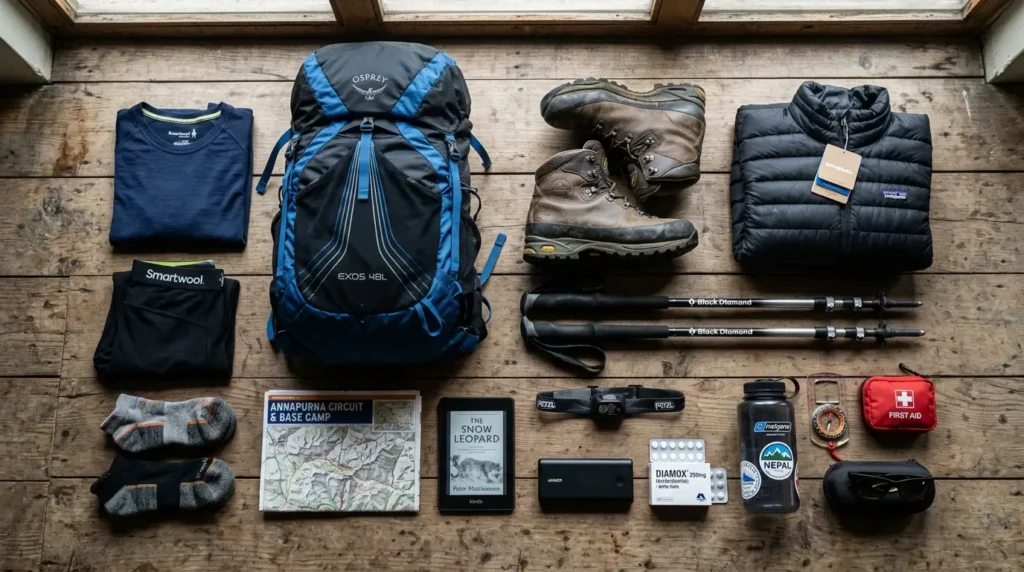
Packing for Self-Sufficiency
I have a day pack which weighs less than 8 kg. My guide doesn’t go hand-in-hand with my porter; I prefer to have all my essentials on me.
- Waterproof hiking boots that are in good shape. Evenings — wear camp sandals.
- Down jacket, fleece, thermal base, quick-dry pants, rain shell.
- Sleeping bag rated to -10°C. Teahouse blankets are available, but may be lightweight.
- Blister tape, Diamox, ibuprofen, water purification tablets.
- 20,000mAh power bank, headlamp, earbuds.
- Offline maps using Maps.me and Nepal tiles. I follow the guide when he leads.
- Kindle and notebook. These alone nights are long and I fill them.
Daily Routine on a Teahouse Trek
- 6:30 a.m. Get up, get ready, breakfast porridge.
- 7:30 a.m. Walking. Tea is served until 10 a.m.
- 11:30 a.m. Lunch at a midpoint lodge.
- 3:00 p.m. Check in at the lodge. Rest, read, chat.
- 6:00 p.m. Dinner. Dal bhat is $3–$5 or refills are free.
- 9:00 p.m. Sleep.
I skip WiFi often. It’s mood driven and paid. Hot showers cost $1–$3. I come with a micro-payment handbill from NPR.
Best Times to Go Solo
- October–November: Mountains are clear, high season, lots of trails. Solitude takes effort.
- March–April: Rhododendron blooms, good weather, second busiest.
- December–February: Cold and devoid of trails. It was a magical Christmas, hiking through the mountains of my Langtang trek.
- May–June: No trekkers, hazy, pre-monsoon.
Avoid July–September. Leeches, landslides and no view of the mountains. I was in the foothills of Annapurna once, when I did the same thing.
Decision Guide: Which Trek Matches You?
- 1 week, moderate fitness: Poon Hill or Mardi Himal
- High drama, 2 weeks, comfortable budget: Everest Base Camp
- Lower altitude, emotional landscapes: Langtang Valley
- Best all-rounder, no flight: Annapurna Base Camp
- Cheapest introduction: Poon Hill (under $250)
Langtang is my emotional favourite. It’s still recovering from the earthquake of 2015 and these people are some of the nicest I’ve met in Nepal.
Mistakes I Made (Learn from Them)
- Failure to check the guide license. I’ve already admitted one.
- Being under budget for trivial daily expenses. WiFi, charging and showers added $5 a day. Over 10 days that’s $50 I didn’t mean to plan for.
- Taking the guide’s altitude call at face value. I was feeling bad, he said, “don’t worry about it.” I descended anyway. Always listen to your body.
- Overpacking. My first trek I carried 14 kg. But my knees do complain. Reduce clothes pile by half.
- No buffer flights to Lukla. The weather took a toll on me, losing me 3 days. Book additional nights in Kathmandu.
Alternatives When the Budget is Tight
- Porter-guide: carry weight up to 15 kg, speak less, cost $20–$25 per day. A more subdued, affordable alternative.
- Join an open group as a solo and request a single room supplement. Not so private but more budget-friendly.
- Go on a short hike in the Kathmandu Valley’s rim or on one of the trails in Pokhara’s Peace Pagoda. Not the high Himalaya, but it’s free!
Frequently Asked Questions
Can I Still Trek Without a Guide in Nepal?
Not in Annapurna, Everest, Langtang, Manaslu or Makalu Barun. 2023 rules are in effect. In non-restricted lower hills, independent walks are still legal.
How Much Does a Solo Trek Cost Per Day?
Budget $23–$30 daily with teahouse room, three meals and small extras. Add $25–$35 for a guide. So $48–$65 per day all-in.
What Is the Cheapest Solo Trek in Nepal?
Ghorepani Poon Hill at 3–5 days. If you start from Pokhara, it will cost you less than $250 with a private guide and permits.
Do I Need a TIMS Card If I Have a Guide?
Yes. It will be organised by your guide, but the fee is paid by you. Always have a passport photo on hand.
Is It Safe for a Solo Female Trekker?
Yes, lots of women do it. If it would be more comfortable, have a female guide. Only stay at recommended lodges and do not walk alone in the villages after dark.
When Is the Best Time to Go?
Clear skies October–November. March–April for blooms. December–February is a time for solitude, and heavy thermals.
Can I Hire a Guide Directly in Kathmandu?
Yes. Go to any agency affiliated to the TAAN and ask them to give you an interview. Independent guides can also be located through the recommendations on social media.
What Insurance Do I Need?
Policy covering trekking up to max altitudes reached, with helicopter evacuation. It is approximately $10 a day.
Will I Feel Alone Trekking With a Guide?
You can. I am asking my guide to allow me to be quiet and give me space. The right guide waits patiently and is only present when you need tea, direction or a safety check.
Is Altitude Sickness Common?
Yes, above 3,000m. I have had patients vomit due to AMS (acute mountain sickness) at the age of 25. Climb slowly, hydrate obsessively, and be aware of the signs! Carry Diamox.
The New Solo
The mountains in Nepal have remained unchanged. The rulebook has. Previously I believed that the guide mandate is like killing the solo dream, but no, it’s just changing its shape. I still walk my own pace, still sit alone an hour at 4,000 metres, a clean space, still feel the emptiness. Someone around me who has a radio and can tell me the quickest path to the ground if things go wrong.