A friend of mine had been planning a solo trip for doing white-water rafting in Nepal for three weeks. She purchased flights, accommodation in the hostel and researched the equipment. What she didn’t research: In October, the Trishuli River is run at a very mild Grade 2-3, while the operator she found online had no certifiable qualifications. She returned disheartened and shaken out of her sleep after seeing her guide have a swim incident without any training in first-aid.
That’s the most usual exasperating travel error made by extreme sport enthusiasts. Correcting the wrong sport. Selecting an incorrect destination, time of year, and operator.
This guide does not. The 12 places that always provide quality across all four categories of skill, safety infrastructure, operator quality, value and more — as well as the planning framework, cost info and safety checks that most travel lists neglect.
What Makes a Destination Worth Traveling For
Not all places offering bungee jumping or a surf school are considered extreme sports destinations. They have a number of similarities: a natural geography that make the activity truly special; an operator ecosystem with real certifications; a search and rescue network within reasonable response time; and a history that can be checked.
The latter one is more important than is realized. In some countries, no laws mandate reporting of incidents. There is no requirement, and no accident in a five-star rated bungee operation on a major OTA, and that’s for a simple reason: it doesn’t have to report one. The way around this: search “[operator name] accident” or “[location] extreme sports death” before you book. Only takes 5 minutes, and has saved many lives.
Be warned: Most travel insurance policies have a condition that excludes extreme sports. The cost of an evacuation using a helicopter from a remote canyon in Utah or a mountain rescue operation in the French Alps can run $50,000 to $150,000 without specialist coverage. Before travelling, please read Book World Nomads, Battleface, or Ripcord. Ensure there is a specific activity (entitled by name) in the policy documen
The Top 12 Destinations
01 — Queenstown, New Zealand
South Island · Multi-Sport · All Skill Levels
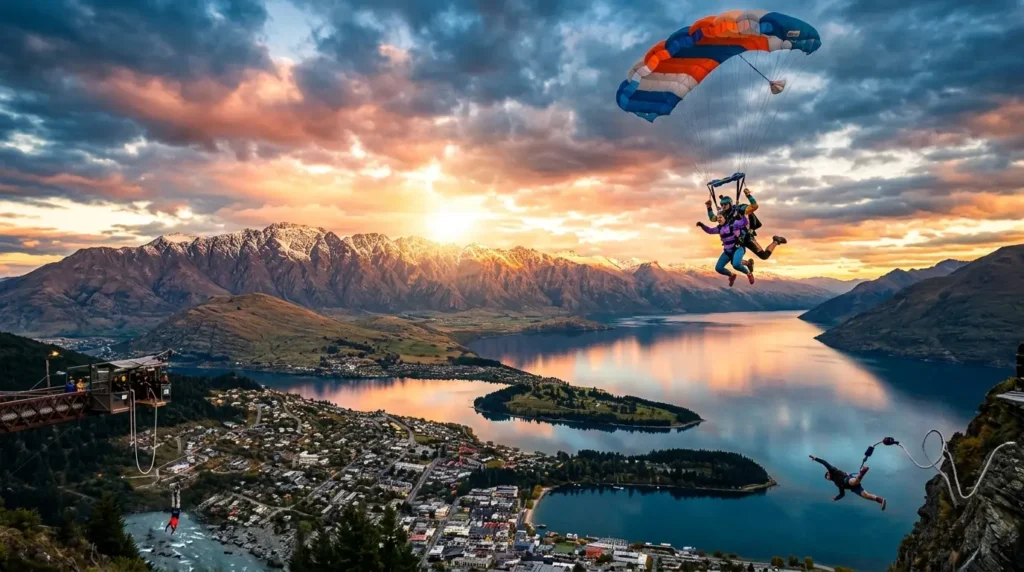
The term “Adventure Capital of the World” has become a cliché in the travel world. In Queenstown’s case, it’s just true. It was here in 1988 that AJ Hackett opened the first commercial bungee. Today there are more than 220 licensed operators spread across 25+ activities with the safety record among the operators is indeed good by international standards.
The great thing about it is that the layering: you can tandem skydive over the Remarkables one morning and a Grade 5 run on the Shotover River the same afternoon, with no experience needed at all. For the winter season, there are the ski fields of Coronet Peak and The Remarkables. The price of cost is in the range of $100-$250 per day all inclusive which is middle class when compared to worldwide standards, but well worth it for what you will obtain.
02 — Chamonix, France
Mont Blanc Massif · Alpine · Intermediate to Expert
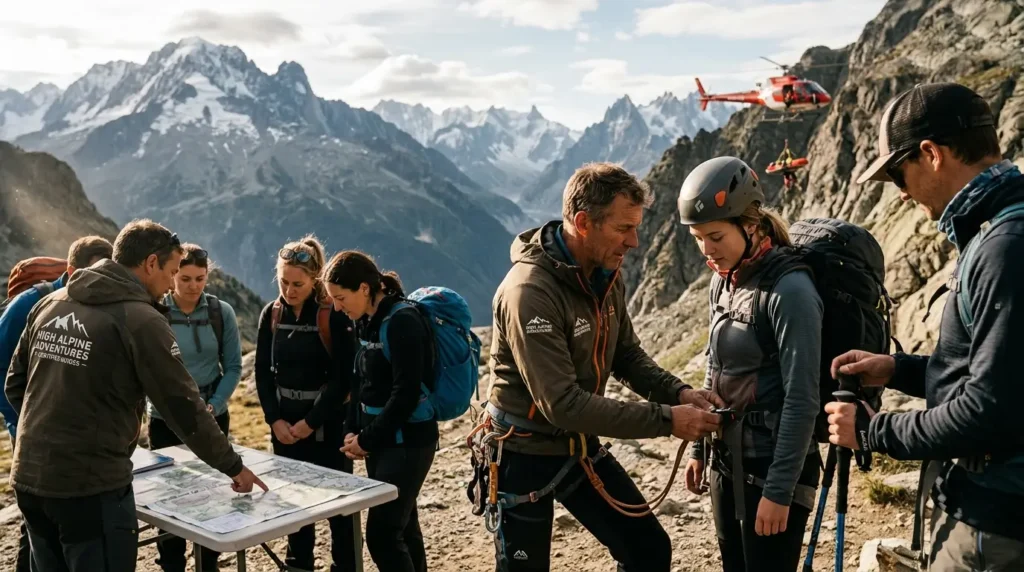
It is from here that modern alpinism began. Chamonix is situated at the foot of the highest peak in Europe, the Mont-Blanc, and provides access to the Vallée Blanche, a 20km downhill offpiste ski tour, which has no real match on earth, as well as top level ice climbing, ski touring and paragliding. It takes just minutes to reach 3,842m by cable car, which is what makes the Aiguille du Midi so popular and dangerous — the tourists who fly in and are immediately taken to the high altitudes.
There are mountain guides available and it’s well worth the euro. Expect to pay $200-$500 per day. Best months: March-May for ski touring / July-September for climbing.
- Sports: Action skiing, Alpine climbing, Paragliding, Ice climbing
03 — Moab, Utah, USA
Colorado Plateau · Desert Adventure · All Levels
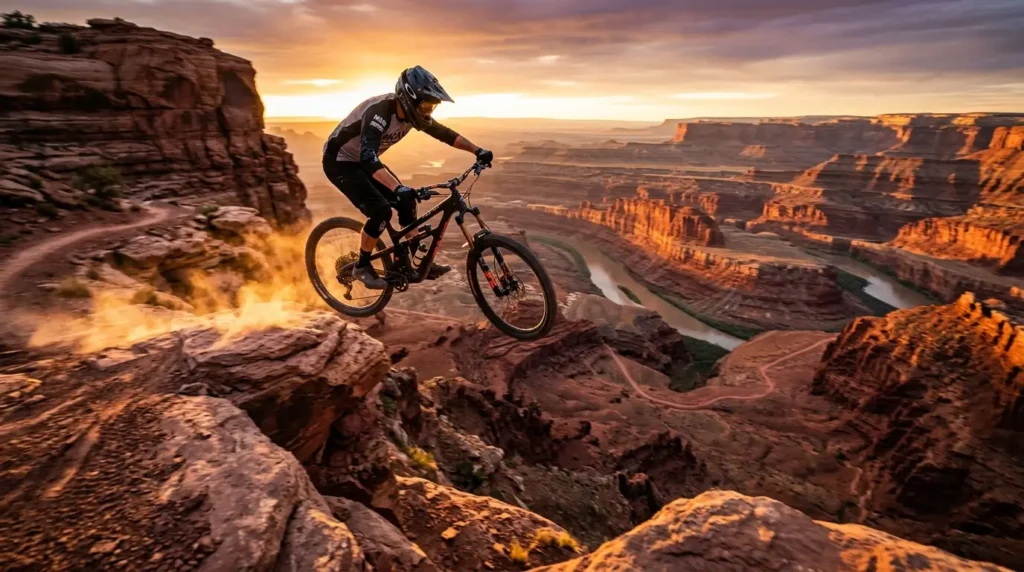
One side, Red sandstone canyons, the other, Canyonlands. The Old Town of Moab is a known BASE jumping site and the Slickrock Trail is one of the most difficult mountain bike rides in North America. Routes for canyoneering vary from half day beginner to multi-day technical.
The major watch-out: summer. In July and August, regular high temperatures are 104°F (40°C). Visit in March-May or September-November. The average price is $80-$180 per day, which is one of the most affordable destinations in the Americas.
04 — Interlaken, Switzerland
Bern Oberland · Multi-Sport · All Levels
Enclosed by two alpine lakes, backed by the mountains of the Eiger, Mönch and Jungfrau, Interlaken is the most concentrated multi-sport town in Europe. Paragliding is possible off Beatenberg, rafting on the Lütschine river is possible in the canyon of Saxeten in just 20 minutes. The safety conditions for commercial operators are among the strictest in the world, as are those set by the Swiss.
The path of canyoning in Interlaken is described by a number of difficult entries: A commercial tour of canyoning in 1999 claimed 21 lives because of a flash flood. This has since been dramatically tightened and restricted. Weather monitoring is operational in real time with current operators. It is safer now as one of the canyoning scenes in Europe but ask operators directly about their flood protocol before booking.
- Sports: Surfing, Swimming, Rock Climbing, Kayaking, Fishing, Hunting, Winter Activities
05 — Nazaré, Portugal
Silver Coast · Big Wave Surfing · Expert Only
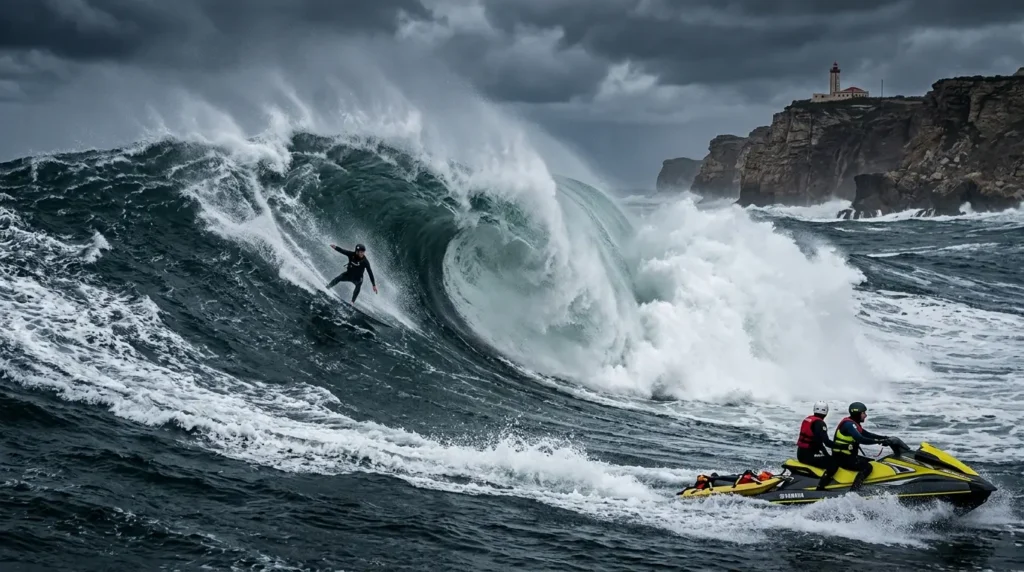
Nazaré Canyon is a 5km deep trench in the sea, which acts as a funnel for swell energy from the Atlantic Ocean and makes it grow in strength to the point of regularly setting world records. A 24.4m wave was surfed here by Rodrigo Koxa. In 2011, Nazaré got on the map thanks to Garrett McNamara. Not waves for tourists! You’re watching from the cliff at Praia do Norte (which is really amazing and free), if you’re not an experienced big wave rider with jet skis.
The season is October to March. During the summer months, Nazaré is a lovely seaside town with nothing special to offer in the sea. There is surf guiding and support available for qualified surfers, tour operators charge $300-$800 per day for professional jet ski support.
06 — Lauterbrunnen, Switzerland
Bern Oberland · BASE / Wingsuit · Expert Only
Base jumping and wingsuit flying headquarters, worldwide. It has more than 30 established exit points on the sides of the valley, at various levels, and the best students of the sport come here from all continents from May through September. This is a spectator skydive spot for those who are not already a licensed skydiver and have a few hundred skydives and BASE training under their belt. As a viewer, the Lauterbrunnen Valley is one of the most other-worldly locations on earth — 72 waterfalls, 200 feet wingsuits flying off 2000 feet of cliff face at 150mph.
- Sports: Hiking, trail riding, rock climbing, mountaineering
- Best for: Expert only
07 — Livingstone, Zambia
Victoria Falls · Rafting and Bungee · Intermediate+
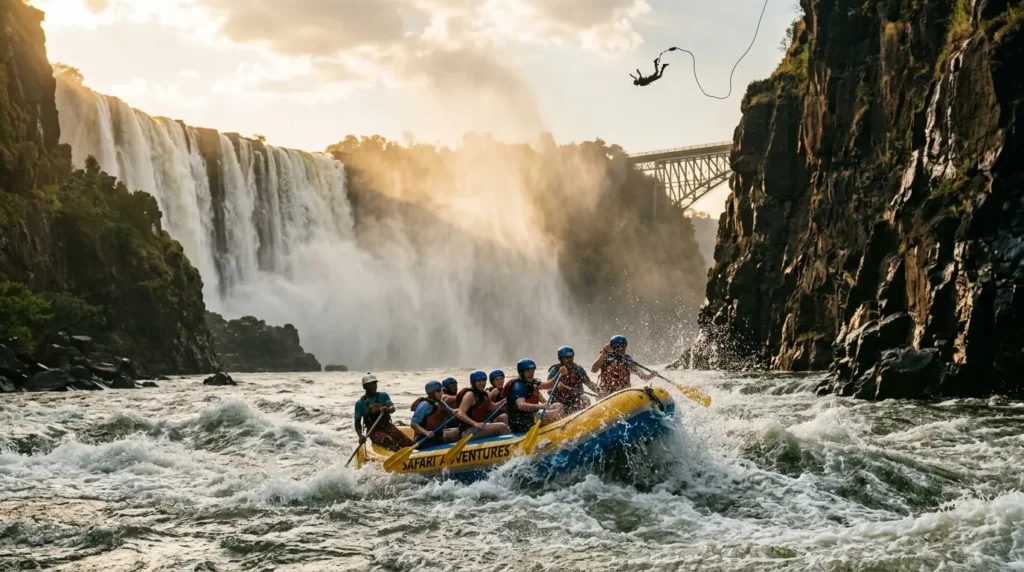
The river from Victoria Falls downstream has 23 rapids, which are Grade 4-5 rapids over about 24km. The section has been commercially operated since the late 1980s and safety has significantly improved with the professionalization of the commercial operators. One of the most spectacular commercial bungee jumps in the world is the Victoria Falls Bridge bungee (111m): you are jumping over the Zambezi Gorge, with water splashing up on you from the falls.
The daily cost is approximately $80-150, making it one of the best value for money on the African continent for extreme sports. The lowest levels and hardest rapids are during the months August to December.
08 — Whistler, Canada
British Columbia · Skiing and MTB · Intermediate+
Largest ski resort in North America during their winter season. The Whistler Bike Park is the most popular lift-accessed mountain biking park in the world in the summer. A-Line is the most-ridden flow trail on the continent. It takes fitness and technical skill for experienced riders to ride Dirt Merchant and Top of the World. The powder access is unmatched in North America, and so is the skiing here, which is very remote and ranges from $800-$2,500 per day.
- Sports: Skiing, Mt. Biking, Heli-Skiing
09 — Rishikesh, India
Uttarakhand · River Adventure · Beginner+
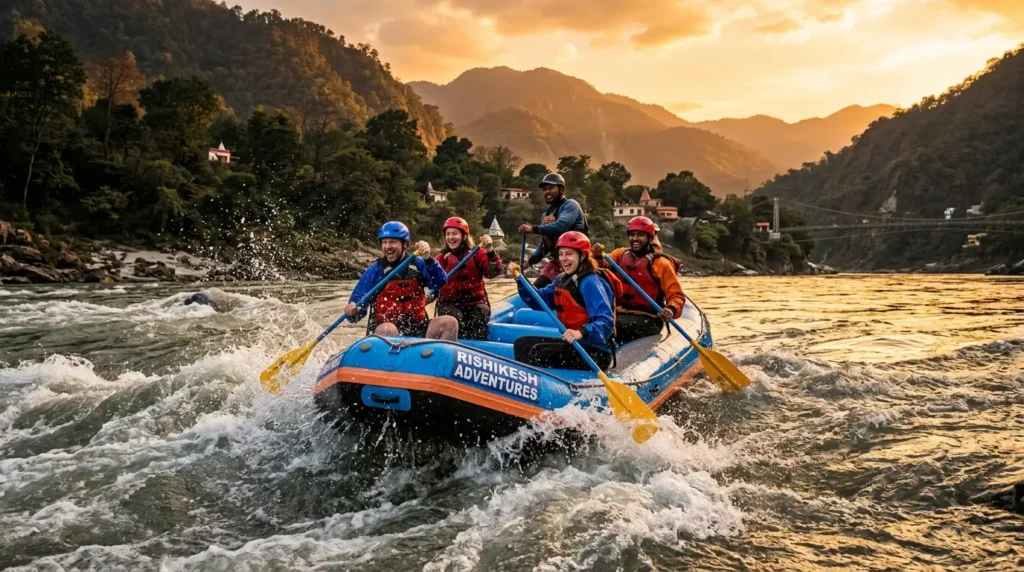
The Ganges here passes through Grade 3-4 rapids and a full day rafting trip with camping expenses range from $25-$50 per person, depending on the rafting company. At 83m, the bungee jump at Jumping Heights is India’s tallest fixed platform bungee and is safe enough to take. If you have a limited budget, Rishikesh is the best place to start your adventure in Asia: You can easily keep your daily budget under $60, covering accommodation, food and an activity or two.
Try to stay out of July and August. With the onset of the monsoon, the Ganges becomes unsafe for commercial rafting, and most rafting companies shut down. September to June is the best time of year for windows.
10 — Yosemite Valley, USA
California · Rock Climbing · All Levels
El Capitan is a 3,000-foot-tall block of granite. It is followed by the imposing sight of Half Dome. The sport of big-wall free climbing was born in the valley and the culture of big wall climbing is deepest there, with Camp 4, the original climbers’ ground-up camp, churning out more elite climbers per square meter than anywhere else on earth. There are routes for every skill level from the beginner single pitch to multi-day big wall options with weeks of preparation.
During peak season it’s overcrowded and permits are required. Best dates to visit: April-May or September-October. The Yosemite Mountaineering School (YMS) has been an operation since 1969, offering guided climbing courses.
- Sports: All Things Outdoor, Photography, Wildlife, Rock Climbing, Big Wall, Bouldering, Travel, and Food & Drink
- Best for: All levels
11 — Kazbegi, Georgia
Greater Caucasus · Alpine and Paragliding · Intermediate+
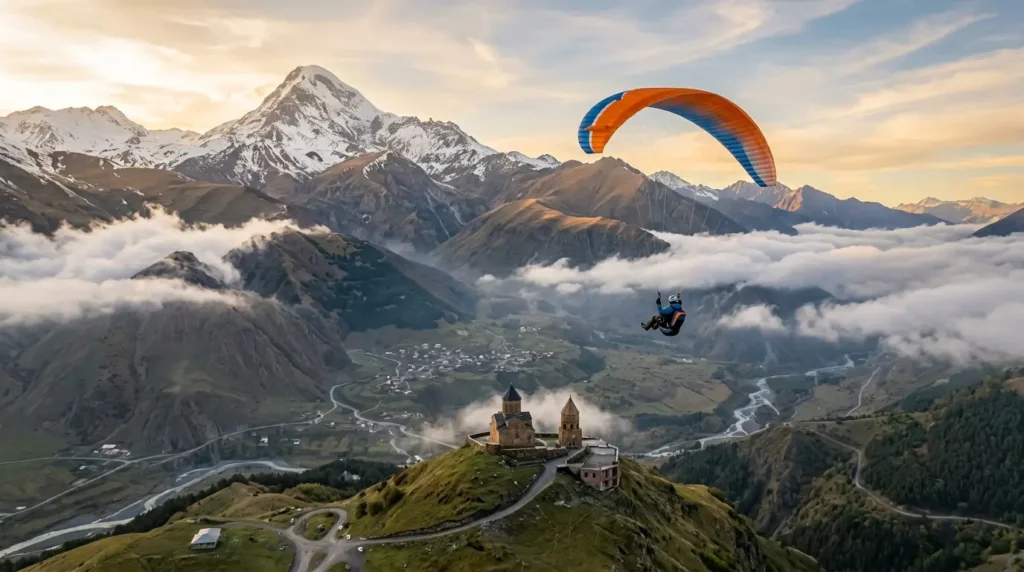
Georgia is now one of the best-kept secrets around the world for adventure. The Caucasus range is as challenging and adventurous as the Alps, and costs much less. The guided day of alpine climbing is about the same price as a coffee and a cable car ticket in Chamonix. A panoramic view of the Kazbegi valley from the ridgelines above is a breathtaking experience, and rarely found in travel lists. Gergeti Trinity Church is in the foreground.
Infrastructure is rapidly being built up, but response times are slower than in Western Europe for the SAR. Use the services of proven operators and inform your emergency contacts before entering out-of-the-way areas.
12 — Wadi Rum, Jordan
Aqaba Governorate · Desert Climbing · All Levels
Mars-like red deserts, with sandstone towers rising out — hence NASA used it to shoot Mars scenes. Here rock climbing is gaining popularity with Bedouin guides who are familiar with the area. There are via ferrata routes installed on several of the formations. Wadi Rum has also been introduced to the endurance sports world with trail running and ultra-distance events. October to April; it gets very hot in the summer and is not safe to work outside.
- Sports: Hiking, biking, kayaking, rafting, canoeing, snorkeling, birdwatching
- Best for: October till April
Which Destination Matches Your Skill Level
The courses are tailored for different experience levels, ranging from beginner-friendly to more advanced, and feature a variety of activities and locations to suit both groups. The courses are designed to be appropriate for students of varying levels of experience and provide a variety of activities and locations for each level of experience.
| Level | Best Destinations |
|---|---|
| Beginner | Queenstown, Rishikesh, Interlaken |
| Intermediate | Moab, Whistler, Livingstone |
| Expert | Nazaré, Lauterbrunnen, Chamonix |
| Budget | Rishikesh, Kazbegi, Wadi Rum |
The Seasonal Problem Nobody Talks About Enough
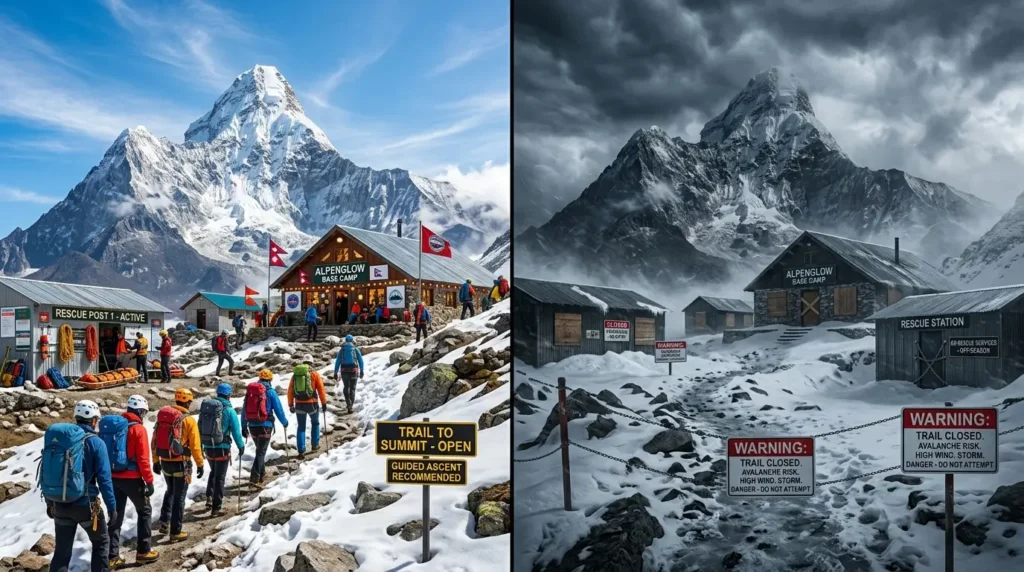
One of the biggest reasons for disappointing sports travel is off-season travel, which in some cases can lead to injury. World class in April, very dangerous in July is the same destination. Conditions are not the only factor, as many operators shut down and guides are no longer available and rescue services might be reduced.
| Destination | Best Months |
|---|---|
| Rishikesh, India | Sep-Jun (to avoid monsoons Jul-Aug) |
| Moab, Utah, USA | Mar-May; Sep-Nov |
| Whistler, Canada | Dec-Apr (ski season); Jun-Sep (bike park) |
| Zambezi, Zambia | Aug-Dec (low water, harder rapids) |
| Nazaré, Portugal | Oct-Mar (big waves) |
| Chamonix, France | Jul-Sep (climbing); Mar-May (ski touring) |
| Wadi Rum, Jordan | Oct-Apr |
How to Plan an Extreme Sports Trip Without Getting It Wrong
The secret to planning an extreme sports trip without going wrong is actually quite easy.
The majority of people book their travel plans first. That is backwards. All other things follow the sport.
Step 1 — Start with the sport, not the destination.
Set up a key activity. The rest of the itinerary, season, budget, and insurance… it all depends on the decision. The top planning error is to attempt to perform five sports in 10 days in 3 countries.
Step 2 — Match your skill level honestly.
Also Read: Last Minute Travel Savings Cheap Flights Last Minute Deals
Directly ask operators: “What is the minimum experience level you suggest for performing this activity?” Don’t overestimate your capabilities. Most extreme sports travel injuries occur when people say that they were more experienced than they really are.
Step 3 — Research operators before booking flights.
Shortlist 3 operators for each of the activities. Minimum of 4.5 stars from 100+ reviews, over 10 years of operation and certification: UIAA for climbing, USPA for skydiving, IRF for rafting, PADI for dive operations and CIVL registered for paragliding. Check online comments from local ex-pat Facebook groups.
Step 4 — Get specialist insurance first.
Not travel insurance. Cover for special adventure sports that specifies what kind of sport you are engaging in. This is well done by World Nomads, Battleface and Ripcord. Don’t read the exclusions after you’ve purchased, read them before you purchase.
Step 5 — Check permits and entry requirements.
Climbing in Yosemite during busy season is on a time-limited permit. There are some sites for BASE jumping that need to be registered. Permits are needed weeks ahead of time for trekking in certain areas of Nepal and Bhutan. Check 60 days out.
Step 6 — Book with weather flexibility.
Weather is the reason for constantly canceling extreme sports. Credit is not the only thing that should be free rescheduled by book operators in case of a delay due to weather. This is a must at any coastal surf spot, and in any alpine setting.
Pro Tip: Avoid aggregators and OTAs and book directly with certified local operators. Usually you will save 15-30% plus you will have a true choice of weather rescheduling. The commission that an OTA earns is more about what kind of experience he/she provides, rather than about profit.
What Extreme Sports Travel Actually Costs
The above examples give you an idea of the range of activity costs.
| Activity | Cost Range (USD) |
|---|---|
| Tandem Skydive | $150-$400 |
| Commercial Bungee | $80-$250 |
| Full-Day Whitewater Rafting | $60-$200 |
| Tandem Paraglide | $100-$350 |
| Big Wave Surf Guide (day) | $300-$800 |
| IFMGA Alpine Climbing Guide (day) | $400-$1,200 |
| Heli-Skiing (day) | $800-$2,500 |
| Guided MTB Descent | $50-$180 |
For destinations based in Asia (Rishikesh, Kazbegi, Wadi Rum) the total package of accommodation and one activity is $30-$80 per day. The Americas (Moab, Costa Rica) range from $80 to $180. The price range for Oceania (Queenstown, Cairns) is $100-$250. On the western side of Europe, they cost $200-$500 (Chamonix, Interlaken). The luxury outliers, such as heli-skiing and guiding at Teahupo’o waves, are much more than $500 per day.
Three Mistakes That Ruin Most Extreme Sports Trips
Bookings made based on the cost of a trip only. Most countries, the fee for a certified operator is $50-$100 per activity, while the fee for an uncertified operator is the same. That’s a far cry from the accountability and emergency responses gap. Avoid optimizing the incorrect variable.
Including too many activities without rest days. Extreme sports are both physically and mentally challenging. When fatigue due to one type of intensity follows the other, the result is the fatigue errors that account for most preventable accidents. Include one day of recovery for every two days of activities on a strenuous trip.
Forgoing acclimatization to altitude for activities. The next morning it’s medically hazardous to arrive in Chamonix and climb up the Aiguille du Midi cable car, even for those who are physically fit. Individuals with good levels of fitness will experience worse symptoms, such as high altitude headaches, nausea and worse. Remain at base elevation for a minimum of one night prior to higher elevation (above 2,500m) for physical activity.
Note on emerging destinations: Kazbegi (Georgia), Wadi Rum (Jordan) and Ladakh (India) are very good destinations at a much lower cost than Western Europe. The downside is the time it takes to respond to a rescue. In the event of an accident in a remote valley in the Caucasus or a Jordanian canyon, evacuation will be slower and more complex than in Switzerland and New Zealand. In the lead-up to travel, plan an emergency procedure.
A Note for Tour Operators and Package Planners
This can be seen due to the fact that the global adventure tourism market was valued at USD 896 billion in 2025 and is expected to expand at a rate of approximately 8-15% CAGR, according to Fortune Business Insights. As for hard adventure, it is seeing a growth rate higher than soft adventure, and it is expected to grow at 20% CAGR (2008-2033) for the 25-40 age group (Grand View Research).
The fastest growing segment of travellers at the present time is the solo adventure traveller. In 2024, G Adventures saw a considerable increase in active travel packages booked alone, compared to the previous year. Baby boomers are also an important segment but one that is under catered to: tandem skydiving and guided alpine jumping are increasing among the 55+ age group, while the majority of marketing is completely oblivious of this cohort.
For DMCs and package planners: the missing piece of what’s currently being offered is the multi-sport package — a package that routes a traveler through two or three sport activities in one or two destinations with the operator coordinating, arranging and providing insurance and logistics. It’s more difficult to create than a one activity package, but there’s a need for it, and very few are getting it done right.
Frequently Asked Questions
Q: What is the best extreme sports destination in the world?
Queenstown, New Zealand. It has the largest collection of certified, extreme activities with infrastructure in one area, Bungee, Skydiving, White water rafting, Canyon swinging, skiing all levels are available all year round with one of the best operator safety records in the world. There’s no place as wide.
Q: Is Queenstown good for beginners with no extreme sports experience?
Yes. The tandem bungee, tandem skydiving and commercial rafting trips are all aimed at the novices and have no prior experience involved. Among the operator base in Queenstown, there are some of the world’s most experienced commercial guides. However, do check certifications, not all operators are created equal.
Q: Do I need special insurance for extreme sports travel?
Yes, and this is not an option. Extreme sports are usually not covered by the standard travel insurance coverage documents. A specific policy has to be considered for your activity. The most popular providers are World Nomads, Battleface and Ripcord. Be sure to read the exclusions before buying; some policies will exclude things above a certain height or they will include skydiving, but not BASE jumping.
Q: What is the cheapest country for extreme sports travel?
India, specifically Rishikesh. Full day rafting packages are typically $25, bungee jumping is around $50 and then if you add in all the other charges that the day brings, including lodging, it’s well within the $60 daily mark. Other options, like Georgia (Kazbegi) and Jordan (Wadi Rum) are also much less expensive and getting better rapidly.
Q: Where can I try BASE jumping legally?
The most well known legal BASE jumping site in the world is the town of Lauterbrunnen in Switzerland with 30+ known exit points. To have a skydiving license and a 200+ jumps and a completed First Jump Course. It’s not a vacation activity; it takes months of preparation! There are also legal jumping sites for qualified jumpers at Moab, Utah.
Q: What is the best time of year for extreme sports travel?
This is completely dependent of the sport and the destination. In Nazaré, the best time to go for big wave surfing is during the October-March period. The best climbing season in Chamonix is July-September. Summertime in Queenstown (December-February) is the peak season for summer activities, and skiing runs from June-August. The Rishikesh rafting season is from September to June. Please note: For non-refundable travel, always check the conditions directly with an operator.
Q: What certification should I look for in an extreme sports operator?
By sport: UIAA or IFMGA certified mountaineering and climbing guides, USPA (USA) or BPA (UK) certified skydivers, IRF certified rafting guides, PADI or SSI certified scuba and freedivers or CIVL certified or BHPA certified paragliders. Also, inquire about the national tourism authority’s registration abroad.
Q: Can solo travelers do extreme sports trips safely?
Yes, and the solitary tourist travel is one of the fastest-growing segments of the industry. The real-world implications: solo travelers must be more diligent in briefing an emergency contact and sending them the complete itinerary and operator information before they leave for a trip, and consider carefully whether there is a group trip option that fits in with a solo objective before embarking on an unfamiliar adventure. Solo travel is not an extra hazard when undertaking tandem activities such as bungee jumping, paragliding and skydiving.
The Bottom Line
No one particular is the best extreme sports destination. There’s only one best for your sport, skill level, budget and time of year traveling.
It is the most multi-sport and well-supported city in the world: Queenstown. It’s in Chamonix that serious alpine climbers go. Nazaré’s for the most advanced surfers. In Rishikesh, you’ll get the Ganges experience for a tasty dinner in Interlaken.
Choices of a destination are as important as the planning framework. Arrange insurance prior to flights. Check operator’s certificates independently. Don’t only rely on the booking page to check conditions, check with locals as well. Have one rest day every 2 days of activities. Inform someone at home of your destination and those accompanying you.