
Why Budget Travel Is Having a Moment Right Now
Flight prices have finally stabilized after the post-pandemic chaos. Budget airlines now connect more cities across Asia, Eastern Europe, and Latin America than ever before. You can fly from Bangkok to Hanoi for under forty dollars if you book a few weeks ahead.
Remote work has completely changed how people approach travel too. You no longer need to cram a two-week vacation into an overpriced resort. Many travelers now spend months in affordable countries, living comfortably on less than a thousand dollars per month.
The best part is that traveling cheaply often leads to better experiences. You eat at neighborhood restaurants instead of tourist traps. You ride local buses alongside residents. You stay in family-run guesthouses where the owner actually remembers your name.
Best Budget Travel Destinations Around the World
Picking favorites is always tough, but these seven countries consistently deliver the strongest combination of low prices, safety, and jaw-dropping scenery. I have visited all of them, and each one left me wondering why anyone pays triple to vacation elsewhere.
Vietnam
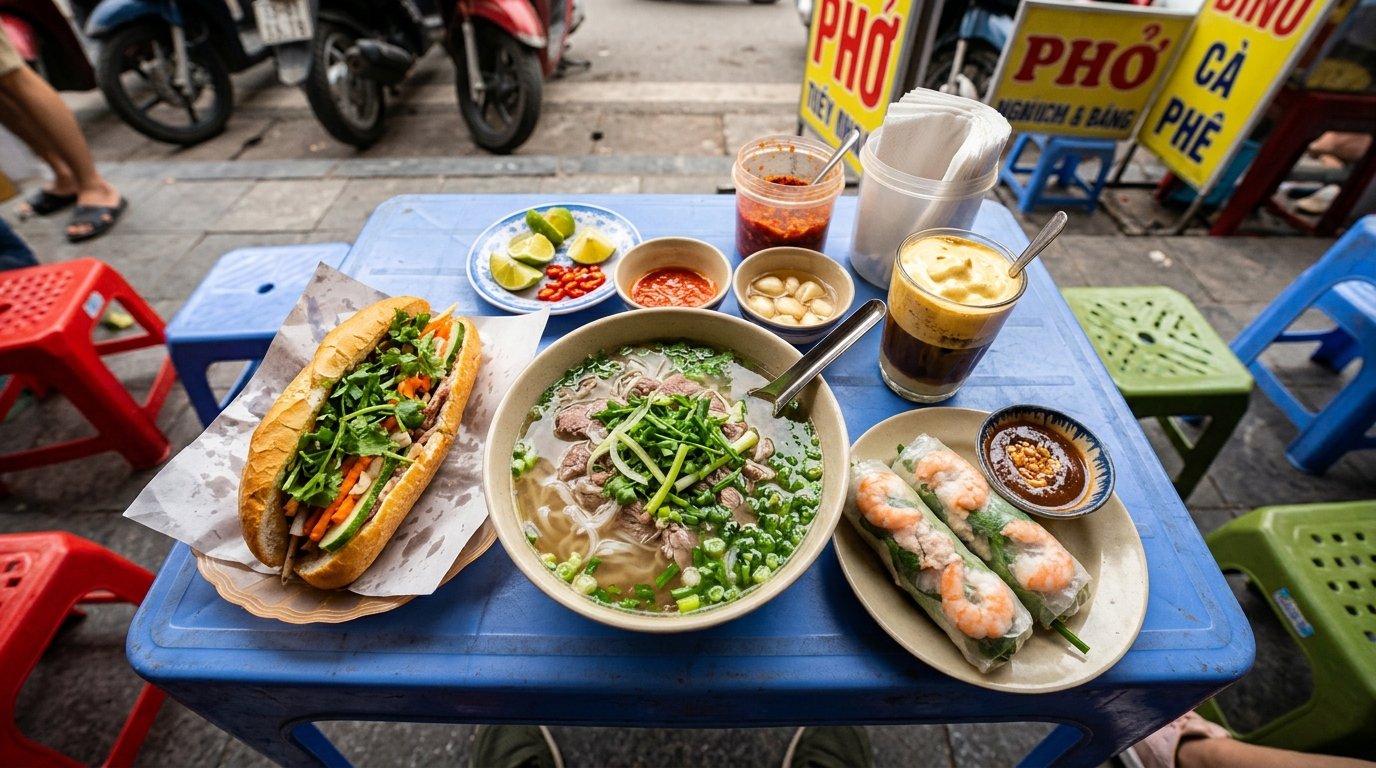
Vietnam is where I first realized how far a travel budget could stretch. A bowl of pho from a sidewalk stall costs about one dollar. A clean private room in a Hoi An guesthouse runs twelve to fifteen dollars per night. The entire country feels designed for travelers who want quality without the markup.
Start in Hanoi and wander the Old Quarter, where motorbikes weave between food carts selling bun cha and egg coffee. Then head south to Ha Long Bay for an overnight cruise that costs less than a nice dinner in London. The limestone karsts rising from emerald water are genuinely surreal.
Hoi An deserves at least three days of your time. The lantern-lit streets along the Thu Bon River are magical at dusk. Get clothes tailored overnight for a fraction of Western prices, and eat cao lau noodles that you literally cannot find anywhere else on Earth.
Bolivia
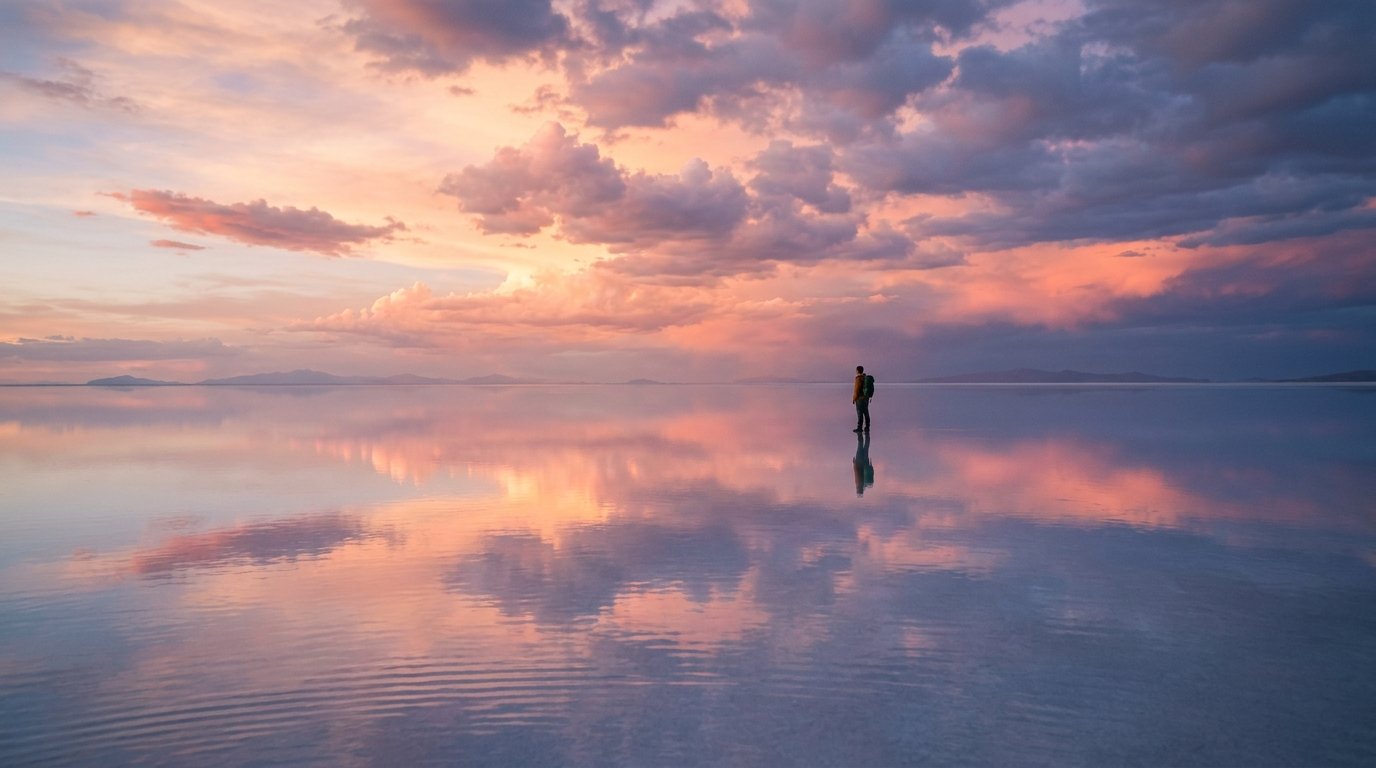
Bolivia is the cheapest country in South America, and it also happens to be one of the most visually stunning. The Salar de Uyuni salt flats stretch over four thousand square miles of blinding white crust. During the rainy season, a thin layer of water turns the entire surface into a perfect mirror of the sky.
A three-day guided tour of the salt flats costs around one hundred and fifty dollars. That price includes all meals, basic lodging, and transport across some of the most remote terrain on the continent. You will see flamingos, geysers, and colored lagoons that look like they belong on another planet.
La Paz is worth a few days on its own. The Mi Teleferico cable car network costs less than a dollar per ride and offers panoramic views of the city crammed into a canyon at over eleven thousand feet. The Witches Market sells dried llama fetuses and herbal remedies in equal measure.
Albania
Most people skip Albania entirely, which is exactly why it remains so affordable and unspoiled. The Albanian Riviera along the Ionian Sea features turquoise water and pebble beaches that rival anything in Greece or Croatia. A seaside room in Ksamil costs around twenty dollars in shoulder season.
The mountainous interior is equally impressive. The Accursed Alps in the north offer multi-day hiking trails through valleys that look like the Swiss countryside minus the Swiss prices. Theth and Valbona are the two base villages, and guesthouses include home-cooked meals for about fifteen dollars per night.
Berat and Gjirokaster are UNESCO-listed Ottoman towns that feel frozen in time. Stone houses cascade down hillsides, and local families still hang laundry from carved wooden balconies. Entry to the hilltop castles costs a couple of dollars, and the views stretch for miles in every direction.
Nepal
Nepal is the ultimate destination if mountains are your thing. The Annapurna Circuit remains one of the world’s great treks, and teahouse rooms along the trail cost five to ten dollars per night. Dal bhat meals are filling, delicious, and usually come with free refills.
Kathmandu Valley packs seven UNESCO World Heritage Sites into a relatively small area. You can spend days exploring the medieval Durbar Squares of Kathmandu, Patan, and Bhaktapur. The carved wooden temples and golden stupas are extraordinary, and entry fees rarely exceed ten dollars.
For wildlife, head south to Chitwan National Park. A two-day jungle safari with canoe rides, elephant bathing, and rhino spotting costs around eighty dollars including meals and lodging. It is one of the best wildlife deals anywhere in Asia.
Guatemala
Guatemala crams an absurd amount of variety into a small country. You can hike an active volcano at sunrise, explore massive Mayan ruins in the jungle, and kayak across a volcanic lake all within a single week. Daily budgets of twenty-five to thirty-five dollars are entirely realistic.
Antigua is the most popular base, and for good reason. The cobblestone streets are lined with pastel colonial buildings, and three volcanoes loom on the horizon. The overnight hike up Acatenango to watch Fuego erupt at dawn is a genuinely life-changing experience that costs under fifty dollars.
Lake Atitlan sits in a volcanic caldera surrounded by indigenous villages. Public boats between towns cost a dollar or two, and lakeside hostels offer dorm beds from six dollars per night. The sunsets over the water are the kind that make you put your phone down and just stare.
Morocco
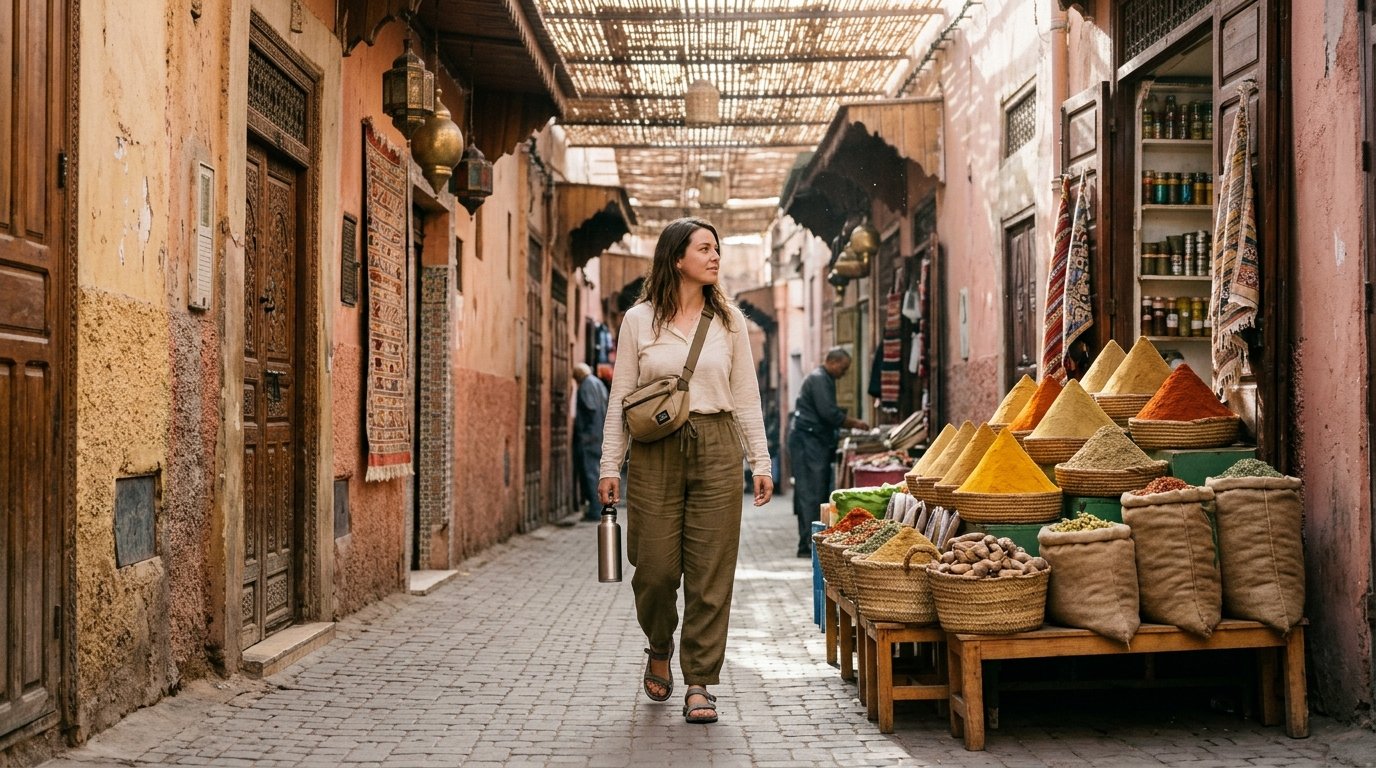
Morocco is the most accessible budget destination in Africa for travelers coming from Europe or North America. The medinas of Marrakech and Fez are overwhelming in the best possible way. Narrow alleys open into hidden riads, spice markets, and courtyards covered in intricate zellige tilework.
A traditional riad room in Marrakech starts around twenty dollars per night, often including a rooftop breakfast with views of the Atlas Mountains. The Jemaa el-Fnaa square transforms every evening into a massive open-air food market where a full meal costs three to five dollars.
The Sahara Desert is the big draw for most visitors. A two-night camp near Merzouga with camel trekking and stargazing runs about seventy to ninety dollars. Sleeping on sand dunes under a sky full of stars is the kind of moment you will remember for the rest of your life.
Sri Lanka
Sri Lanka packs an extraordinary amount into a small island. You can surf world-class waves in the morning, spot wild elephants in the afternoon, and climb an ancient rock fortress by sunset. The train ride from Kandy to Ella is one of the most scenic rail journeys on the planet.
A first-class train ticket for that route costs about five dollars. The train winds through misty tea plantations, crosses dramatic viaducts, and passes waterfalls that tumble down green hillsides. It takes about seven hours, and every single minute is worth it.
Yala National Park offers one of the highest leopard densities in the world. A full-day safari costs around sixty dollars including jeep rental and park fees. You will also see elephants, crocodiles, and dozens of bird species in a single drive through the scrubland.
When to Go for the Lowest Prices
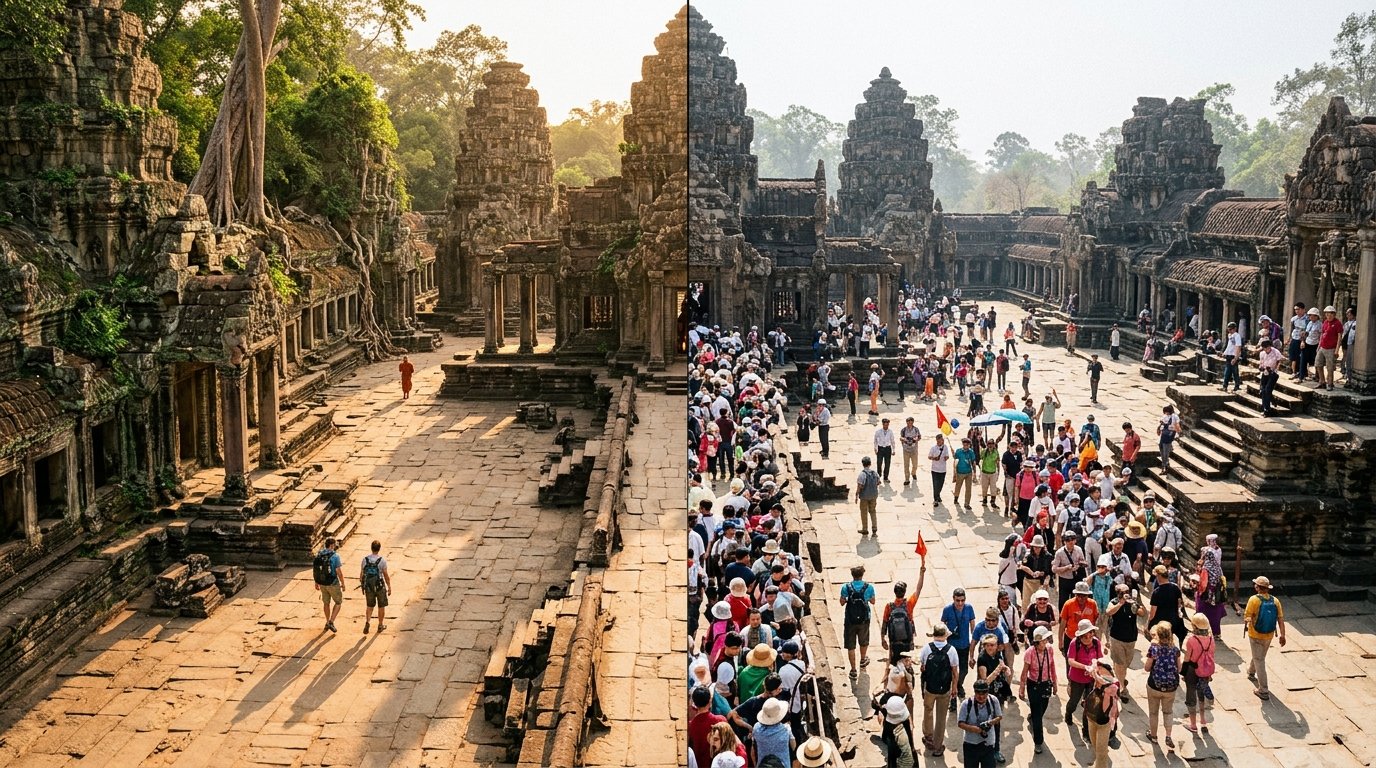
Timing matters enormously when you are traveling on a tight budget. The general rule is simple: visit during shoulder season, which falls just before or after peak tourist months. Hotels drop rates by twenty to forty percent, and attractions are far less crowded.
For Southeast Asia, the sweet spot is usually March to May or September to November. You avoid the heavy monsoon rains and the December holiday price spike. The weather is warm but manageable, and you will have temples and beaches largely to yourself.
Eastern Europe and North Africa are cheapest in late spring and early autumn. May and October offer pleasant temperatures without the summer crowds. Albania’s beaches are still warm enough for swimming in early October, and Morocco’s desert is bearable before the brutal summer heat arrives.
What You Will Actually Spend Per Day
Numbers help, so here is a realistic daily breakdown for a comfortable backpacker style. This assumes private rooms, sit-down meals at local restaurants, public transport, and one paid activity per day.
Vietnam and Nepal sit at the bottom of the range at roughly twenty to thirty dollars per day. Bolivia and Sri Lanka fall in the twenty-five to thirty-five dollar range. Albania, Guatemala, and Morocco push closer to thirty to forty-five dollars depending on your choices.
These numbers do not include international flights or travel insurance. Budget around five to eight dollars per day for a comprehensive insurance policy. It is the one expense you should never skip, regardless of how tight your overall budget might be.
Where to Sleep Without Going Broke
Hostel dorm beds are the cheapest option, starting at four to eight dollars per night across most of these destinations. Many hostels now offer pod-style beds with curtains and charging outlets, so the comfort level is much higher than it used to be.
Private rooms in family-run guesthouses are my personal favorite. They typically cost ten to twenty dollars and often include breakfast. You get a real connection with the hosts, who usually have the best local recommendations that no guidebook will ever mention.
For couples or families wanting more space, look for apartments on Booking.com or Airbnb. In cities like Hanoi and La Paz, you can find entire apartments with kitchens for twenty-five to forty dollars per night. Cooking even one meal a day saves significant money over a longer trip.
Getting Around on a Shoestring
Local buses are your best friend in every country on this list. In Guatemala, the brightly painted chicken buses cost a dollar or two for routes between major towns. They are loud, crowded, and absolutely unforgettable if you enjoy a bit of chaos.
Overnight buses and trains are a classic budget trick that still works perfectly. A sleeper bus from Hanoi to Hoi An costs about fifteen dollars and saves you a night of accommodation. The beds are narrow but comfortable enough for a solid night of sleep.
For longer hops, budget airlines like AirAsia and VietJet offer fares as low as twenty to thirty dollars when booked a few weeks in advance. Set up price alerts on Skyscanner and be flexible with your dates. Midweek flights are almost always cheaper than weekend departures.
Eating Well for Pennies
Street food is the backbone of budget travel eating. In Vietnam, a banh mi sandwich from a cart costs less than a dollar and tastes better than most restaurant meals back home. In Morocco, a plate of grilled sardines at a market stall runs about two dollars.
The golden rule is to eat where locals eat. If a restaurant is full of residents and has no English menu, you have found the right place. The food will be fresher, more authentic, and dramatically cheaper than anything near the main tourist square.
Markets are another goldmine for cheap meals. In Guatemala, you can buy fresh fruit, tamales, and fresh-squeezed juice for under three dollars total. In Sri Lanka, roadside hoppers stalls serve crispy egg hoppers for fifty cents each. These small meals add up to incredible food days.
A Sample Two-Week Itinerary
Here is a realistic two-week plan combining Vietnam and Cambodia, two of the most affordable countries in Southeast Asia. This itinerary balances culture, nature, and relaxation without rushing you from place to place.
Days one through three in Hanoi. Explore the Old Quarter, visit the Temple of Literature, and eat your way through the street food scene. Budget around twenty-five dollars per day including a private guesthouse room and all meals.
Days four and five on an overnight Ha Long Bay cruise. Book a mid-range junk boat for about sixty to eighty dollars per person, which includes all meals and kayaking. Days six and seven in Hoi An for tailoring, cycling, and lantern-lit evenings.
Days eight through ten at Angkor Wat in Siem Reap. A three-day temple pass costs sixty-two dollars and covers the entire complex. Days eleven and twelve in Phnom Penh for the Royal Palace. Finish with two days on Koh Rong island, where beach bungalows cost fifteen dollars per night. Total trip cost excluding flights is roughly four hundred to six hundred dollars.
Mistakes That Will Drain Your Wallet
Booking everything in advance is the most common budget travel mistake. Locking in rigid itineraries means you miss last-minute deals and cannot adapt when you discover a place you love. Leave at least thirty percent of your schedule open for spontaneity.
Changing money at airport kiosks is another quick way to lose cash. The exchange rates are terrible, and the fees are hidden in fine print. Instead, withdraw local currency from ATMs in town using a debit card with no foreign transaction fees. Charles Schwab and Wise are popular options.
Overpacking leads to checked baggage fees on budget airlines. A forty-liter carry-on backpack is all you need for trips up to three months. You can do laundry cheaply everywhere on this list, often for less than two dollars per full load.
Safety and Common Sense on the Road
All seven destinations in this guide are generally safe for tourists, including solo travelers. Violent crime against visitors is extremely rare. The main risks are petty theft and traffic accidents, both of which are manageable with basic precautions and awareness.
Keep your valuables in a money belt or hidden pouch when navigating crowded markets and bus stations. Do not flash expensive electronics or large amounts of cash in public. Use hotel safes for passports and backup cards when you go out for the day.
Drink bottled or filtered water in Bolivia, Nepal, and Guatemala. Carry a reusable bottle with a built-in filter to save money and reduce plastic waste. In Vietnam and Sri Lanka, tap water in major cities is generally safe for brushing teeth but not for drinking.
Frequently Asked Questions
What are the best budget travel destinations around the world right now?
Vietnam, Bolivia, Nepal, Albania, Guatemala, Morocco, and Sri Lanka offer the strongest value in 2025. Daily budgets of twenty to forty dollars cover private rooms, local meals, transport, and activities. All seven countries are safe, welcoming, and packed with world-class attractions that rival far more expensive destinations.
How much money do I need for a budget world trip?
Most long-term budget travelers spend between twenty-five and fifty dollars per day. A three-month trip across Southeast Asia and South America typically costs three to five thousand dollars excluding international flights. Your biggest variable expense will be accommodation, so staying in hostels and guesthouses keeps overall costs low.
Is budget travel safe for solo female travelers?
Yes, all destinations in this guide are considered safe for solo women. Vietnam, Sri Lanka, and Albania are particularly welcoming. Standard precautions apply everywhere: avoid unlit streets at night, share your location with someone at home, and trust your instincts if a situation feels uncomfortable.
When is the cheapest time to travel internationally?
Shoulder season offers the best combination of low prices and good weather. For most destinations, this means late spring and early autumn. Avoid peak holiday periods like Christmas, Chinese New Year, and European summer vacation months when prices spike dramatically across all travel categories.
Do I really need travel insurance for cheap trips?
Absolutely. Budget travelers need insurance more than luxury travelers because there is less financial cushion for emergencies. A single hospital visit abroad can cost thousands of dollars. Comprehensive policies from providers like SafetyWing or World Nomads start at around five dollars per day.
Can I travel on a budget with a family?
Families can travel affordably by choosing destinations with low daily costs and booking apartments with kitchens. Vietnam and Guatemala are excellent for families with children. A family of four can travel comfortably on eighty to one hundred and twenty dollars per day including private rooms and local meals.
How do I find the cheapest international flights?
Use flexible date searches on Google Flights and Skyscanner. Set price alerts for your target routes and book midweek departures two to three months in advance. Consider connecting flights through major hubs, which are often significantly cheaper than direct routes to smaller destinations.
Conclusion
The best budget travel destinations around the world prove that you do not need a trust fund to see extraordinary places. Vietnam’s lantern-lit streets, Bolivia’s mirror-flat salt plains, and Nepal’s towering Himalayan peaks deliver experiences that money genuinely cannot buy at any price point.
Start with one destination from this list, set a realistic daily budget, and book a shoulder-season flight. The world is cheaper and more welcoming than most people realize. Your next great adventure is closer than you think.
Drop a comment below and tell me which destination you are heading to first. I would love to hear your plans and share any specific tips I have picked up along the way. Safe travels and happy budgeting!