
How to Plan a Budget Europe Trip for Beginners
Start with a rough daily budget before you look at a single flight. Most first-time travelers overestimate costs because they picture London and Paris prices everywhere. Eastern and Southern Europe are dramatically cheaper than the famous Western capitals.
Your target daily spend should include accommodation, food, local transport, and one activity. A realistic budget for beginners is fifty to eighty dollars per day in Western Europe and thirty to fifty dollars in the East.
Once you have a number, work backward. Multiply your daily budget by the number of travel days, then add your flight cost. That total is your trip ceiling, and every decision from here should fit inside it.
Pick the Right Countries First
Country selection is the single biggest factor in your total trip cost. Portugal, Poland, Hungary, and the Czech Republic offer incredible experiences at a fraction of what you would spend in Switzerland or Scandinavia.
A smart beginner strategy is to anchor your trip with one expensive city and fill the rest with cheaper destinations. Spend two days in Paris, then take a budget flight to Krakow or Lisbon for the remaining week.
Avoid trying to cram too many countries into a short trip. Moving between cities costs both money and time. Three countries in two weeks is a comfortable pace that keeps transport costs manageable and lets you actually enjoy each place.
When to Go for the Cheapest Prices
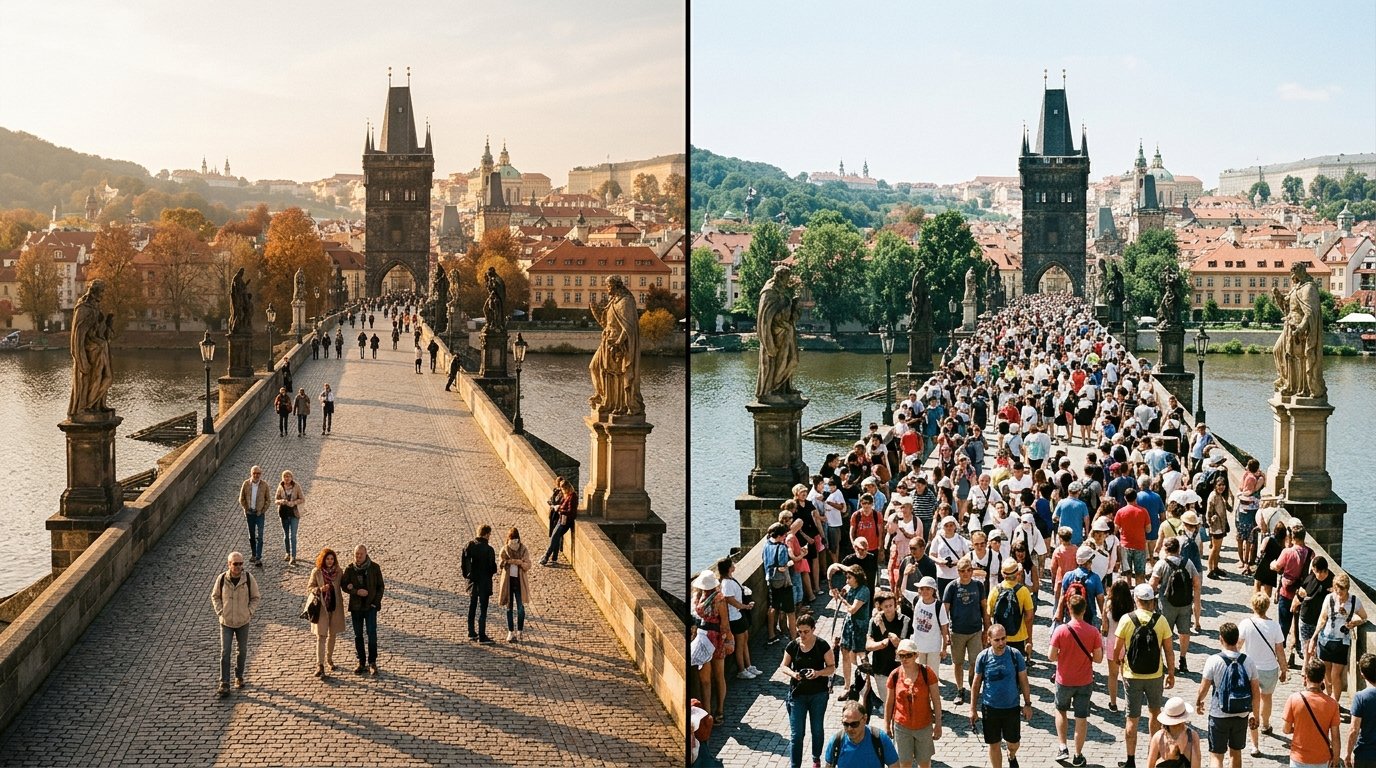
Shoulder season is your best friend for affordable European travel. Late April through early June and September through mid-October offer mild weather, smaller crowds, and hotel rates that drop by thirty to fifty percent.
Summer is peak season and the most expensive time to visit. July and August bring long lines at major attractions and accommodation prices that can double compared to spring. Hostels that cost twenty euros in May charge forty in August.
Winter is the cheapest season but comes with short daylight hours and cold weather. If you do not mind bundling up, cities like Prague and Budapest are magical in December and cost almost nothing to visit compared to summer rates.
Finding Cheap Flights to Europe
Flight costs will be your single largest expense, so getting this right matters enormously. Start searching at least three months before your departure date and set up price alerts on Google Flights and Skyscanner.
Tuesday and Wednesday departures are consistently cheaper than weekend flights. Flying into secondary airports like Milan Bergamo instead of Malpensa or London Stansted instead of Heathrow can save you fifty to one hundred dollars round trip.
Consider open-jaw tickets where you fly into one city and out of another. This eliminates the cost and time of backtracking to your starting point. Most airline search engines now support multi-city searches natively, making this easier than ever.
Getting Around Europe on a Budget
Budget airlines like Ryanair, Wizz Air, and EasyJet connect most European cities for twenty to sixty euros when booked early. The catch is strict baggage limits, so pack light or pay the extra fee upfront to avoid surprise charges at the gate.
Trains are the most scenic and comfortable option for shorter distances. The Eurail Pass can save money if you plan many long-distance rides, but point-to-point tickets booked in advance are often cheaper for travelers with fixed itineraries.
Buses are the cheapest option of all. FlixBus and RegioJet offer routes across the continent for as little as five to fifteen euros. The rides are longer than trains but the savings add up quickly over a multi-week trip.
Where to Stay Without Overspending
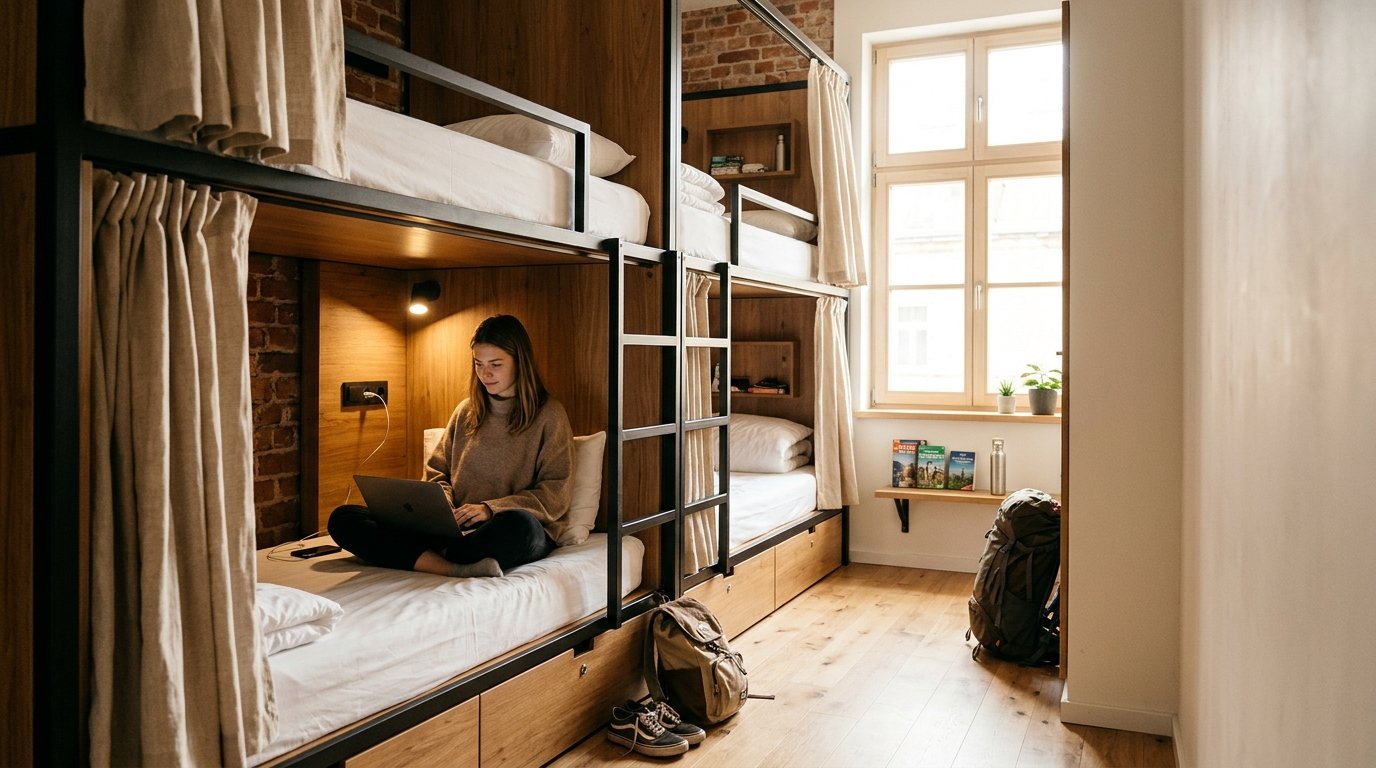
Hostels remain the backbone of budget accommodation in Europe. Dorm beds in major cities cost fifteen to thirty euros per night, and many modern hostels offer pod-style beds with privacy curtains and individual charging outlets.
Private rooms in budget hotels or guesthouses run forty to seventy euros in Western Europe and twenty to forty euros in the East. Booking.com and Hostelworld are the most reliable platforms for comparing prices across both categories.
Consider alternative options like Couchsurfing for free stays or Workaway for free room and board in exchange for a few hours of help. These options are especially popular in rural areas and smaller towns where hotels are scarce.
Eating Well for Less
Restaurant meals near major tourist attractions are overpriced and often mediocre. Walk three blocks away from the main square in any European city and prices drop by thirty to fifty percent while quality usually improves dramatically.
Grocery stores are a budget traveler’s secret weapon. A fresh baguette, local cheese, and some fruit from a French supermarket cost under five euros and make a perfect picnic lunch. Most hostels have shared kitchens for cooking dinner.
Street food and market halls offer the best value for hot meals. In Berlin, a currywurst costs three euros. In Budapest, a bowl of goulash at the Great Market Hall runs about five. These are authentic, filling, and cheap.
Budget Breakdown by Region
Western Europe is the most expensive region on the continent. Expect to spend seventy to one hundred dollars per day in cities like London, Paris, and Amsterdam. Accommodation alone will eat up half of that daily budget in peak season.
Southern Europe offers much better value. Portugal, Spain, and Greece fall in the fifty to seventy dollar range. You can eat incredibly well for under fifteen euros per day, and public transport is affordable and efficient.
Eastern Europe is the cheapest region by far. Poland, Hungary, Romania, and the Czech Republic cost thirty to fifty dollars per day. A full restaurant dinner with drinks in Krakow or Bucharest rarely exceeds ten euros per person.
A Sample 10-Day Itinerary
This itinerary focuses on Central Europe, which offers the best balance of affordability and iconic experiences for beginners. The route connects three stunning cities by cheap bus and train links that cost under twenty euros each.
Days one through three in Prague. Explore the Old Town, cross the Charles Bridge at sunrise, and drink world-class beer for two euros a pint. A hostel dorm costs around fifteen euros per night in the city center.
Days four through six in Budapest. Soak in the famous thermal baths, explore the ruin bars of the Jewish Quarter, and eat hearty Hungarian food for under ten euros per meal. Take the overnight train to save a hotel night.
Days seven through ten in Krakow. Visit Wawel Castle, take a day trip to the Wieliczka Salt Mine, and explore the vibrant Kazimierz district. Total trip cost excluding flights is roughly four hundred to five hundred dollars.

Packing Smart for Budget Travel
Overpacking is the most expensive mistake beginners make. Budget airlines charge thirty to fifty euros for checked bags, and hauling a massive suitcase across cobblestone streets is a miserable experience you want to avoid at all costs.
A forty-liter carry-on backpack is all you need for a two-week European trip. Pack versatile layers that mix and match, comfortable walking shoes, and a lightweight rain jacket. You can do laundry at hostels for a few euros.
Leave the fancy outfits at home. Europeans dress casually in most cities, and you will blend in better with simple, neutral-colored clothing. A packing cube system keeps everything organized inside a small bag and speeds up security checks.
Common Mistakes First-Timers Make
Booking every single night in advance locks you into a rigid schedule and prevents you from taking advantage of last-minute deals. Reserve your first two nights, then book the rest as you go based on how you feel.
Exchanging money at airport kiosks guarantees terrible rates and hidden fees. Instead, withdraw euros from a local ATM using a debit card with no foreign transaction fees. Charles Schwab and Wise cards are popular among long-term travelers.
Trying to see everything is a recipe for burnout and overspending. Rushing between five cities in ten days means you spend more on transport and less time actually enjoying each place. Slow down and save money simultaneously.
Safety Tips for New Travelers
Europe is one of the safest continents for tourists, including solo travelers and first-timers. Violent crime is extremely rare in the cities covered in this guide, and public transport is reliable and well-lit even late at night.
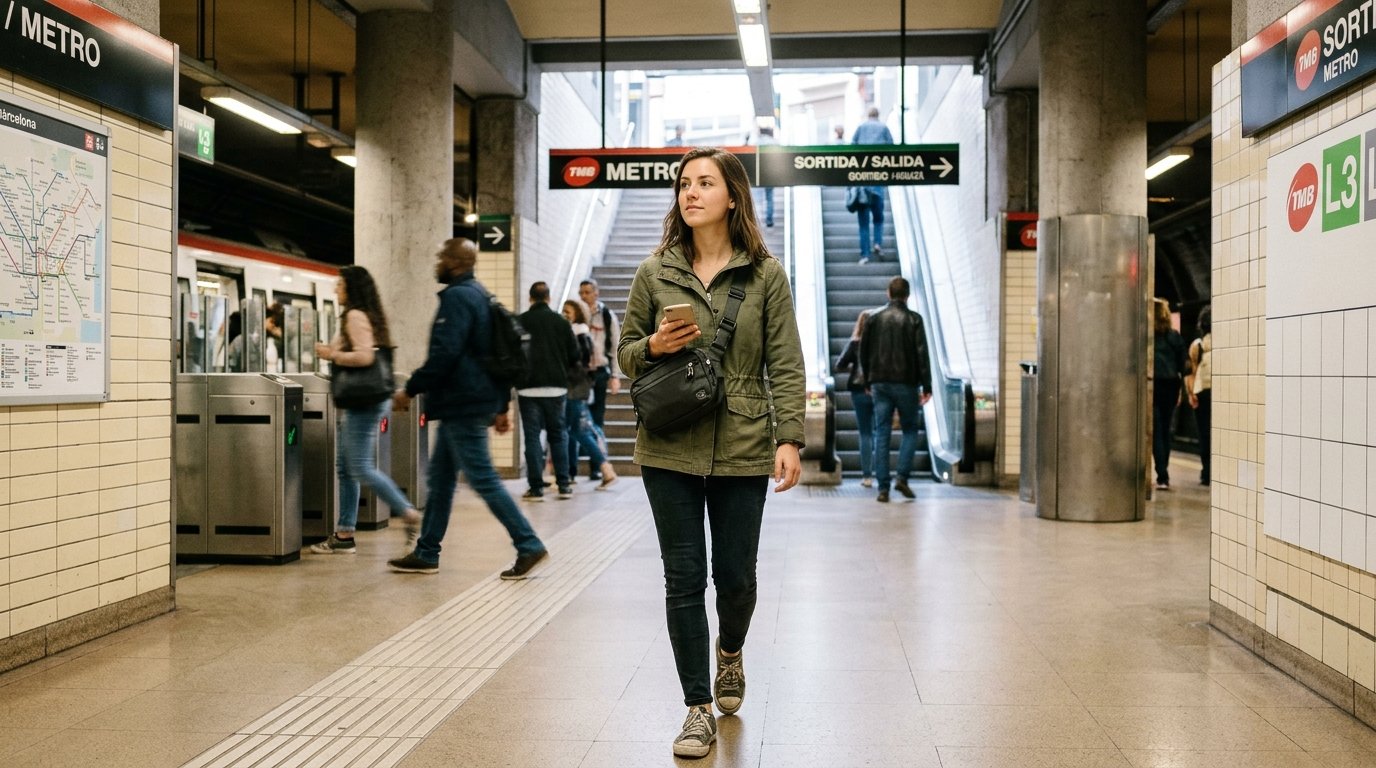
Pickpocketing is the main concern in crowded tourist areas. Keep your phone and wallet in front pockets or a crossbody bag when navigating metro stations, markets, and busy squares in cities like Barcelona and Rome.
Make digital copies of your passport, travel insurance, and booking confirmations. Store them in a cloud service and email them to yourself. If anything gets lost or stolen, having backups makes the replacement process far less stressful.
Frequently Asked Questions
How much does a budget Europe trip cost for beginners?
A two-week budget trip to Europe typically costs between one thousand and two thousand dollars per person, including flights. Daily expenses range from thirty dollars in Eastern Europe to eighty dollars in Western capitals. Hostels, grocery meals, and public transport keep costs low. Booking flights early and traveling during shoulder season reduces the total significantly.
What is the cheapest country in Europe to visit?
Romania, Bulgaria, and Poland are consistently the cheapest European countries for travelers. Daily budgets of twenty-five to forty dollars cover dorm accommodation, local meals, transport, and sightseeing. Hungary and the Czech Republic are slightly more expensive but still far cheaper than Western Europe. All five countries offer stunning architecture and rich cultural experiences.
Is a Eurail Pass worth it for budget travelers?
A Eurail Pass makes sense if you plan to take at least four or five long-distance trains within a short period. For fixed itineraries with just two or three train rides, point-to-point tickets booked in advance are usually cheaper. Use the Eurail website calculator to compare the pass cost against individual ticket prices for your specific route.
How far in advance should I book flights to Europe?
Start monitoring prices three to four months before your departure date. The sweet spot for the cheapest transatlantic fares is typically eight to twelve weeks out. Set price alerts on Google Flights and be flexible with your dates by a few days. Midweek departures on Tuesdays and Wednesdays consistently offer the lowest fares.
Can I travel Europe on fifty dollars a day?
Yes, fifty dollars per day is realistic in Eastern and parts of Southern Europe. Stay in hostel dorms, eat at markets and grocery stores, use public transport, and focus on free attractions like parks, churches, and walking tours. Western European capitals will push you closer to seventy or eighty dollars per day at minimum.
Do I need travel insurance for a Europe trip?
Travel insurance is strongly recommended even for short trips. Medical costs for non-EU citizens can be extremely high, and a single emergency room visit could cost thousands of dollars. Comprehensive policies from providers like SafetyWing or World Nomads start at around five dollars per day and cover medical emergencies, trip cancellations, and theft.
What is the best way to save money on accommodation?
Book hostel dorms through Hostelworld at least a few weeks ahead for the best rates. Consider Couchsurfing for free stays with locals, or use Workaway for longer trips. Traveling during shoulder season drops hotel prices dramatically. Staying slightly outside the city center near a metro station also saves money without sacrificing convenience.
Conclusion
Learning how to plan a budget Europe trip for beginners comes down to a few core decisions: pick affordable countries, travel in shoulder season, book flights early, and resist the urge to overpack your itinerary. The rest falls into place once those foundations are set.
Europe on a budget is not about sacrificing experiences. It is about making smarter choices that actually bring you closer to local culture. Some of my favorite European memories involve cheap train rides, market picnics, and late-night conversations in hostel kitchens that cost nothing at all.
Start sketching out your route this weekend. Pick two or three cities that excite you, check flight prices, and take the first step. Europe is waiting, and it costs less than you think. Drop a comment below with your dream destination and I will share my best tips for visiting it on a budget!