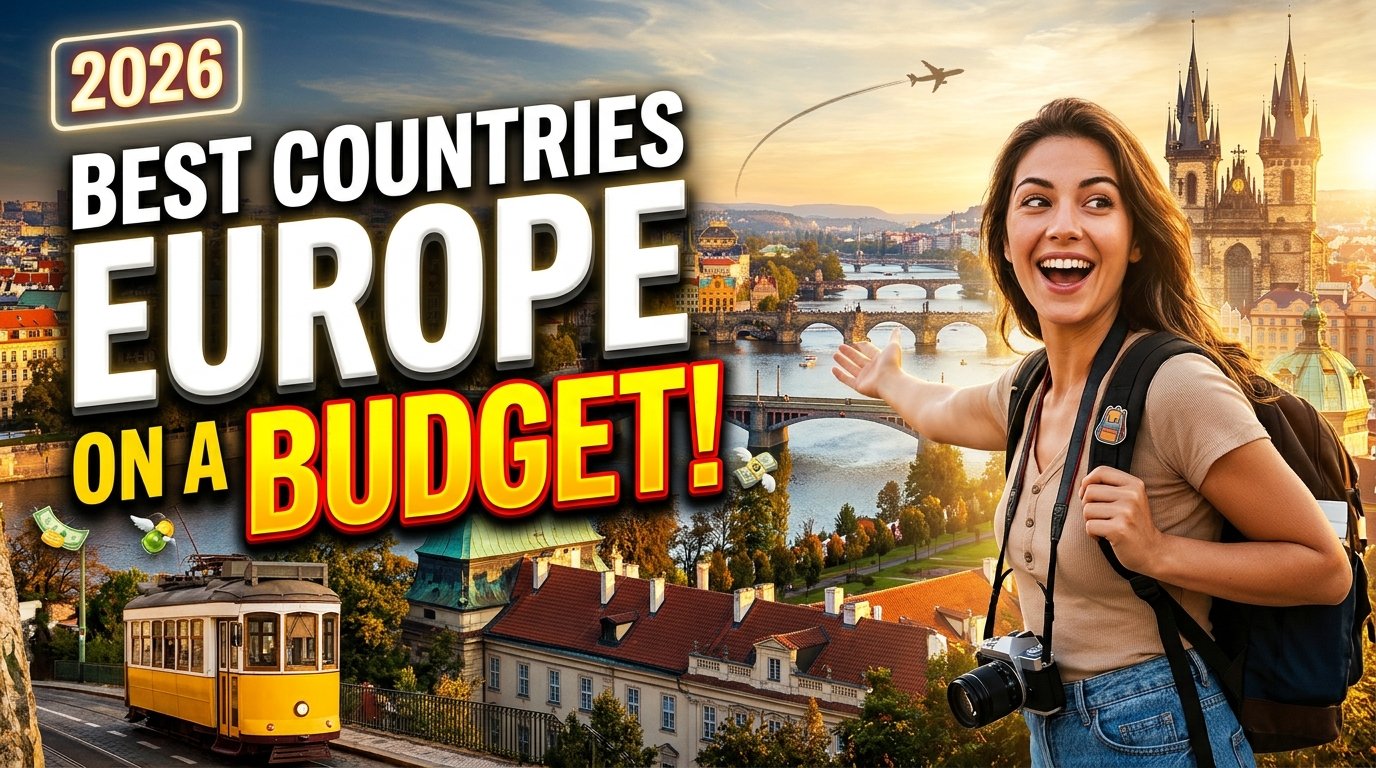
Why Eastern and Southern Europe Dominate Budget Travel
Western Europe gets all the magazine covers, but your wallet will thank you for heading east or south. Countries like Albania, Romania, and Bulgaria offer jaw-dropping scenery at prices that feel almost unfair compared to their western neighbors.
A decent meal in Tirana might cost you five euros, while a similar plate in Zurich could run you thirty. Accommodation follows the same pattern. You can find clean, well-located guesthouses in Krakow for the price of a single dorm bed in Amsterdam.
The infrastructure has improved dramatically over the last decade. Budget airlines like Wizz Air and Ryanair connect these destinations with frequent, cheap flights. Trains and buses are reliable and affordable, making multi-country itineraries completely realistic.
If you’re searching for the best countries to visit in Europe on a budget, you’ll want to focus on the Balkans, the Baltics, and the Iberian Peninsula. These regions deliver incredible value without sacrificing culture, food, or natural beauty.
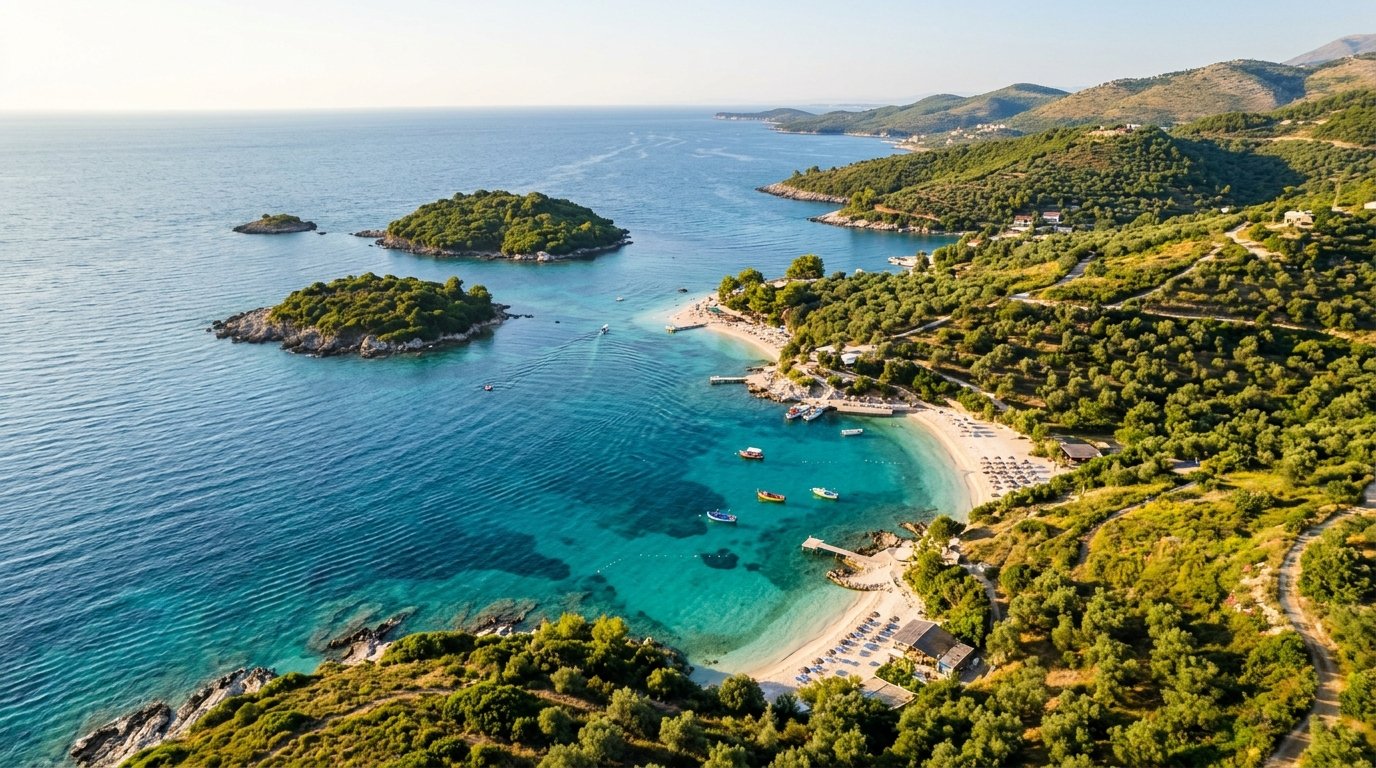
Albania — Europe’s Most Underrated Budget Gem
Albania flew under the radar for decades, and that’s exactly why it remains so affordable today. The Albanian Riviera rivals the Greek coastline in beauty but costs roughly half as much. I spent a week road-tripping from Tirana down to Ksamil and couldn’t believe the prices.
What Makes Albania So Affordable
The local currency, the lek, works heavily in your favor. A hearty lunch of grilled lamb and fresh salad at a family-run restaurant typically costs around four to six euros. Beer is often cheaper than bottled water at beachside bars.
Accommodation is equally kind to your budget. You can find private rooms in guesthouses along the coast for fifteen to twenty-five euros per night, even during peak summer months. Hostels in Tirana run as low as eight euros.
Top Things to Do in Albania
Start in Tirana with a walk through the colorful Blloku district and a visit to Bunk’Art, a fascinating museum built inside a Cold War-era nuclear bunker. The city has a youthful energy that surprised me on my first visit.
Head south to the Albanian Riviera for turquoise waters and uncrowded beaches. Ksamil, Himarë, and Dhërmi are the standout spots. Inland, the hiking trails around Theth and Valbona in the Albanian Alps are world-class and virtually free to access.
Romania — Medieval Castles and Mountain Trails for Less
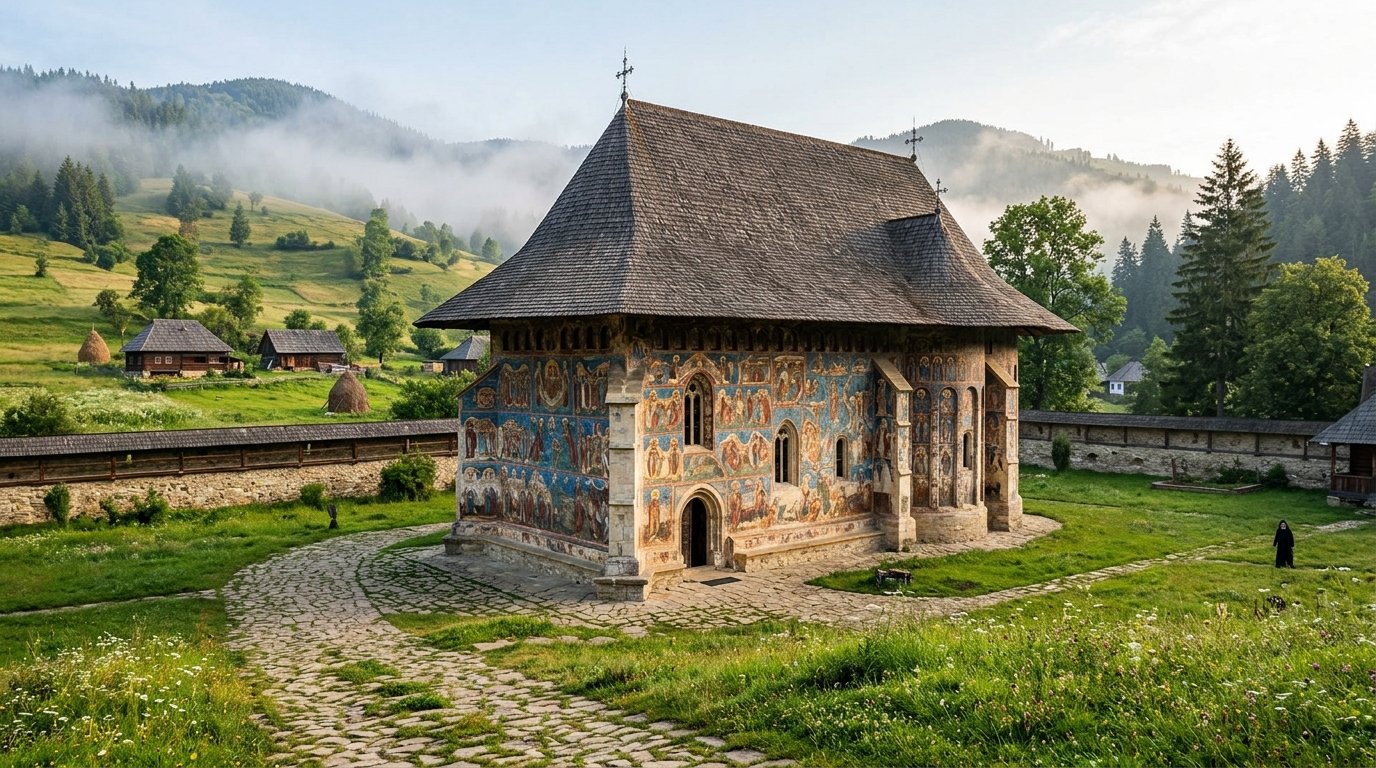
Romania is one of those places that genuinely shocks first-time visitors with its beauty and affordability. Transylvania alone could fill a two-week trip with its fortified churches, misty mountain passes, and villages that look frozen in time.
Best Time to Visit Romania
Late spring and early autumn are ideal. May and September bring mild weather, fewer crowds, and lower prices across the board. Summer is popular in the mountains but still remarkably cheap compared to Western European destinations.
Winter transforms Romania into a budget ski destination. Resorts like Poiana Brașov offer slopes at a fraction of Alpine prices. You can ski, eat, and stay comfortably for under fifty euros a day.
Hidden Gems Beyond Dracula’s Castle
Everyone rushes to Bran Castle, but the real magic lies elsewhere. The painted monasteries of Bucovina in the northeast are UNESCO-listed and almost entirely tourist-free. The Danube Delta offers incredible birdwatching and boat tours for very little money.
Sibiu and Brașov are two of the most charming medieval towns in all of Europe. Walking their cobblestone streets and dining in centuries-old cellars costs almost nothing compared to similar experiences in Germany or Austria. A full dinner in Brașov rarely exceeds ten euros.
Portugal — Western Europe’s Most Affordable Escape
If you’d rather stay in Western Europe, Portugal is your best bet by a wide margin. It consistently ranks as one of the best countries to visit in Europe on a budget while offering a completely different vibe from the eastern options on this list.
Where to Stay on a Budget in Portugal
Lisbon and Porto have seen prices creep up in recent years, but they remain far cheaper than London, Paris, or Rome. A private room in a centrally located Lisbon guesthouse typically runs thirty to fifty euros per night.
The real bargains are in smaller towns. Coimbra, Évora, and Guimarães offer stunning architecture and authentic Portuguese life at significantly lower prices. The Algarve can be expensive in August, but visit in May or October and deals appear everywhere.
Local Food You Can’t Miss
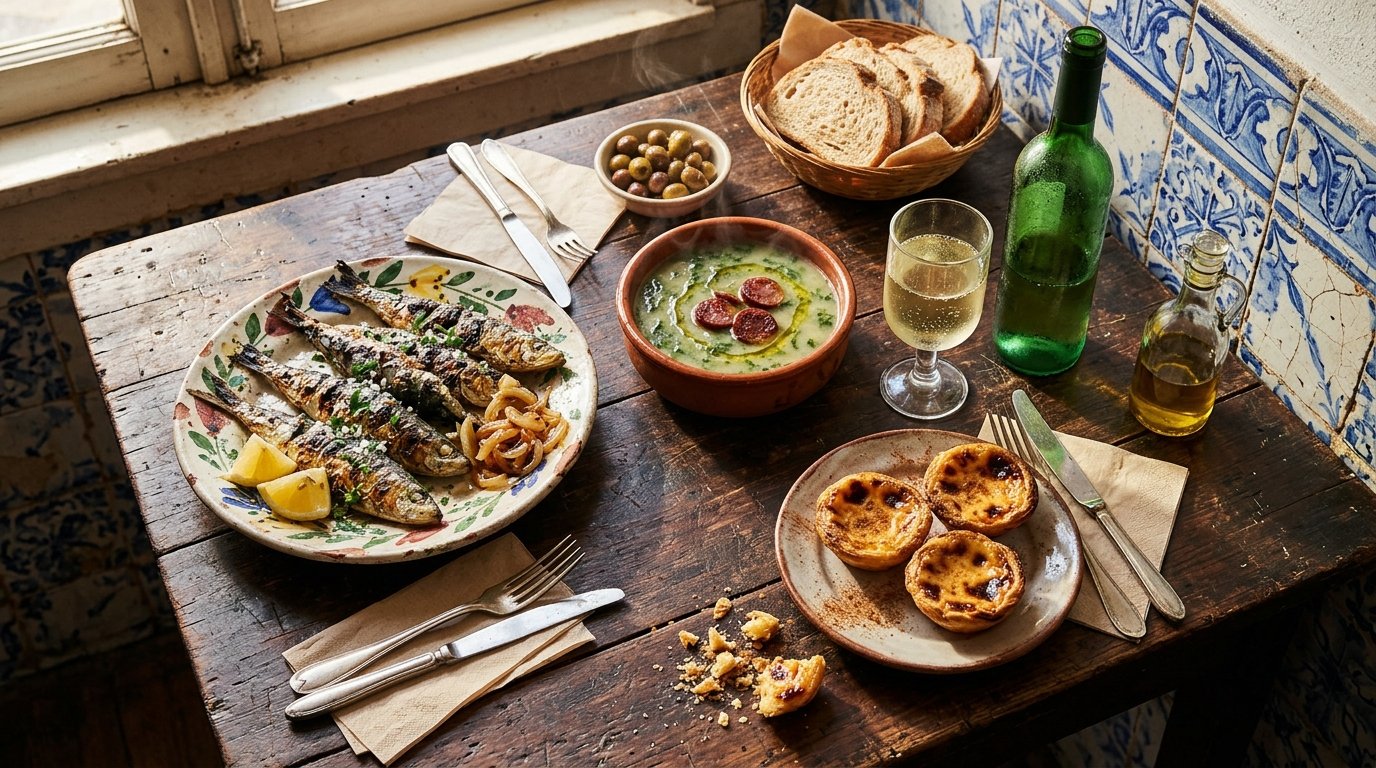
Portuguese cuisine is one of Europe’s great unsung treasures. A pastel de nata from a local bakery costs about one euro and will ruin all other custard tarts for you forever. Grilled sardines, bacalhau, and caldo verde soup are filling, delicious, and cheap.
Set-menu lunches, called “prato do dia,” are the ultimate budget hack. For six to nine euros, you get a starter, main course, drink, and sometimes dessert at neighborhood restaurants. Skip the tourist traps near major landmarks and walk a few blocks inland instead.
Poland — Culture, History, and Pierogi on a Shoestring
Poland delivers an extraordinary amount of value for travelers. The country is large, diverse, and packed with UNESCO World Heritage Sites, yet it remains one of the most affordable destinations in the European Union.
Getting Around Poland Cheaply
Poland’s rail network is excellent and remarkably inexpensive. A train ticket from Warsaw to Krakow costs around fifteen to twenty euros if booked in advance through the PKP Intercity website. Buses operated by FlixBus are even cheaper for shorter routes.
Within cities, public transport is efficient and costs less than one euro per ride. Krakow and Warsaw both have walkable old towns, so you won’t even need transit passes most days.
Krakow vs. Warsaw for Budget Travelers
Krakow is the more popular choice, and for good reason. The Main Market Square is one of Europe’s largest and most beautiful. A day trip to the Wieliczka Salt Mine or Auschwitz-Birkenau is easy and affordable from the city center.
Warsaw, however, offers better value on accommodation and dining. The reconstructed Old Town is impressive, and the city’s milk bars — communist-era cafeterias serving traditional Polish food — offer full meals for three to five euros. Don’t skip them.
Bulgaria — Black Sea Beaches Without the Price Tag
Bulgaria is criminally overlooked by most Western travelers, which keeps prices wonderfully low. The Black Sea coast delivers sandy beaches, lively nightlife, and fresh seafood at prices that feel like a throwback to an earlier era of European travel.
Sofia and Plovdiv on a Dime
Sofia is one of Europe’s cheapest capital cities. The Alexander Nevsky Cathedral is free to enter, and the surrounding park is perfect for a lazy afternoon. A hearty shopska salad and a cold beer at a local tavern will set you back about five euros total.
Plovdiv, the 2019 European Capital of Culture, is even more charming. Its Roman amphitheater is still used for concerts today, and the Kapana creative district buzzes with affordable cafés and craft beer bars. Plovdiv genuinely feels like a city on the rise that hasn’t yet been priced out of reach.
Sunny Beach and Sozopol are the go-to coastal destinations in summer. Sozopol is the quieter, more atmospheric choice with its wooden Old Town perched above the sea. Budget travelers can find seaside rooms for under twenty euros even in July.
Bosnia and Herzegovina — A Hidden Balkan Treasure
Bosnia remains one of the cheapest countries in Europe, and its complex history and stunning landscapes make it endlessly fascinating. Mostar and Sarajevo are the two essential stops, and both can be explored thoroughly on a tight budget.
Sarajevo and Mostar Highlights
Sarajevo’s Baščaršija old bazaar is a sensory delight. Copper craftsmen hammer away in tiny workshops, and the smell of ćevapi — grilled minced meat in flatbread — drifts from every corner. A full plate of ćevapi with onions and ajvar costs about three euros.
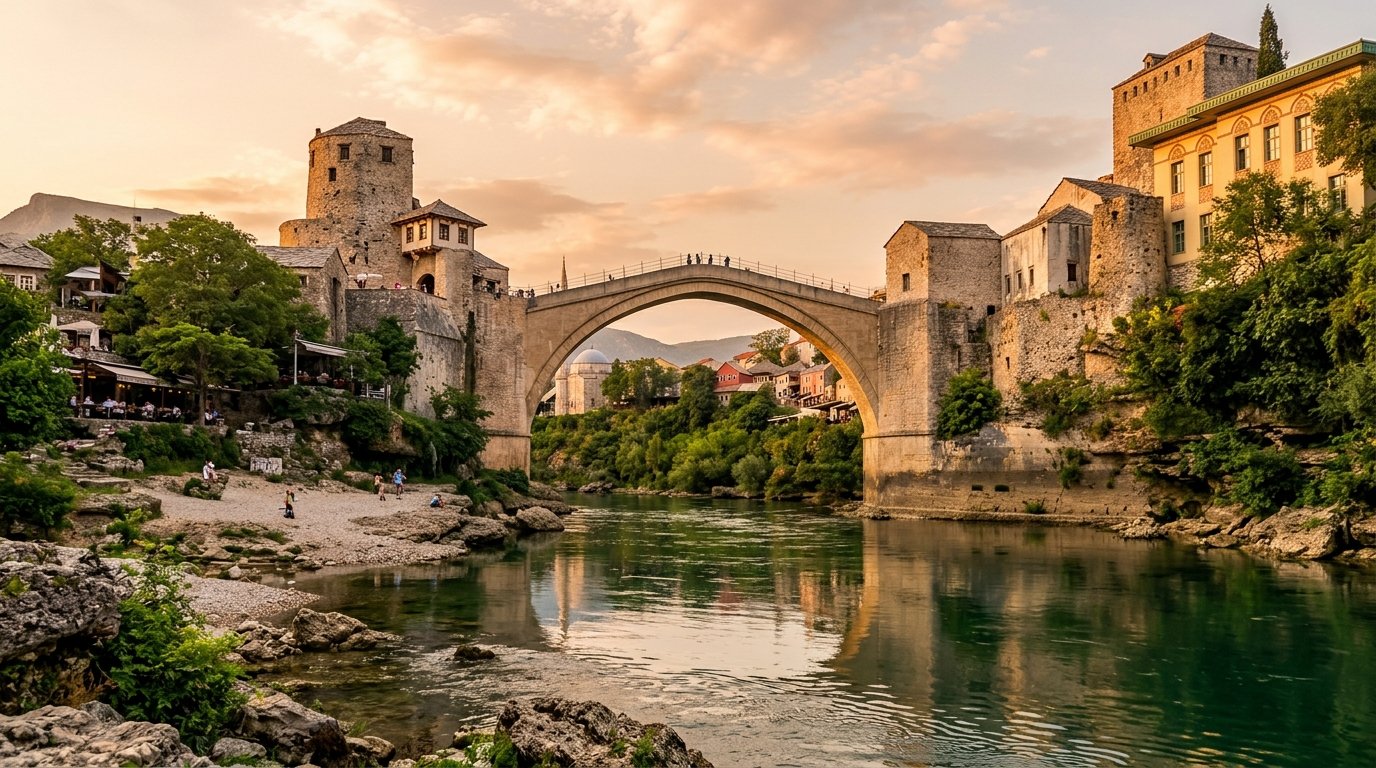
Mostar’s iconic Stari Most bridge is one of the most photographed spots in the Balkans. The surrounding old town is compact and walkable. A day trip to the Kravice Waterfalls, often called Bosnia’s mini Niagara, costs just a few euros by local bus and is absolutely worth the detour.
Accommodation in Bosnia is staggeringly cheap. Private rooms in family-run pensions often include breakfast and cost fifteen to twenty euros. Sarajevo hostels are among the best-value in Europe, with beds starting around seven euros.
Practical Budget Tips for Traveling Across Europe
No matter which of the best countries to visit in Europe on a budget you choose, a few universal strategies will stretch your money further. Travel during shoulder season — April to May or September to October — for the best combination of weather and prices.
Book accommodation with kitchen access whenever possible. Cooking even one meal a day saves a surprising amount over a two-week trip. Local markets in every country listed above sell fresh produce at rock-bottom prices.
Use budget airlines strategically but watch out for baggage fees. Ryanair and Wizz Air can get you between these destinations for as little as ten euros if you travel light and book early. Flexible dates make a huge difference in flight pricing.
Withdraw cash from bank ATMs rather than currency exchange booths, which charge terrible rates. Always choose to be charged in the local currency when using your card abroad. This single habit saves most travelers five to ten percent on every transaction.
Sample 2-Week Budget Itinerary
Here’s a realistic two-week route hitting four of the countries above. Fly into Krakow and spend three days exploring the old town, Wawel Castle, and the Kazimierz district. Budget roughly thirty-five euros per day including accommodation.
Take an overnight bus or cheap flight to Romania. Spend four days split between Brașov and Sibiu, hiking in the Carpathians and wandering medieval streets. Daily costs hover around thirty euros if you eat locally.
Fly from Bucharest to Sarajevo on Wizz Air for two nights, then bus to Mostar for one night. The Balkans leg will cost you roughly twenty-five euros per day. Finish with four days on the Albanian Riviera, busing down from Tirana to Ksamil.
Total estimated budget for the entire trip, including flights between countries, accommodation, food, and activities: roughly eight hundred to one thousand euros per person. That’s less than a single week in Switzerland.
Frequently Asked Questions
What is the cheapest European country to visit?
Albania and Bosnia and Herzegovina consistently rank as the cheapest countries in Europe for travelers. Daily budgets of twenty-five to thirty-five euros are realistic, covering accommodation, meals, local transport, and basic activities. Both countries offer stunning scenery and rich culture at remarkably low prices compared to Western Europe.
Is Portugal still affordable for budget travelers?
Portugal remains the most affordable country in Western Europe, though Lisbon and Porto have gotten pricier in recent years. Smaller cities like Coimbra, Braga, and Évora still offer excellent value. Eating at local tascas and staying in guesthouses outside the main tourist zones keeps daily costs around forty to fifty euros.
How much should I budget per day in Eastern Europe?
A comfortable daily budget in most Eastern European countries ranges from thirty to fifty euros per person. This covers a private room or hostel bed, three meals at local restaurants, public transportation, and one or two paid attractions. Countries like Bulgaria and Romania sit at the lower end of this range.
Are budget airlines safe and reliable in Europe?
Yes, European budget airlines like Ryanair, Wizz Air, and easyJet are regulated by the same strict EU aviation safety standards as full-service carriers. They are safe and generally reliable. The main trade-offs are limited legroom, strict baggage policies, and secondary airports that may require extra transit time.
What is the best time to visit Europe on a budget?
Shoulder season — April through May and September through October — offers the best balance of pleasant weather, fewer crowds, and lower prices across the continent. Winter is the absolute cheapest period but limits outdoor activities in northern regions. Summer brings peak prices everywhere, especially along the Mediterranean coast.
Do I need a visa to visit these budget European countries?
Citizens of the US, Canada, Australia, and the UK can visit most European countries visa-free for up to 90 days within a 180-day period. This includes all EU members like Poland, Portugal, Romania, and Bulgaria. Albania, Bosnia, and other non-EU Balkan nations also allow visa-free entry for most Western passport holders.
Can I use euros in all these countries?
No. Only Portugal among the countries listed uses the euro. Poland uses the złoty, Romania uses the leu, Bulgaria uses the lev, Albania uses the lek, and Bosnia uses the convertible mark. Carry a no-foreign-transaction-fee debit card and withdraw local currency from ATMs for the best exchange rates.
Final Thoughts
Europe doesn’t have to drain your savings account. The best countries to visit in Europe on a budget offer everything from medieval castles and turquoise coastlines to world-class food and vibrant nightlife, all at prices that leave room in your wallet for a second trip.
Start with one or two countries from this list and build your itinerary around shoulder season travel and local eating habits. You’ll be amazed at how far your money stretches when you step off the well-worn tourist trail.
So grab your backpack, book that cheap Wizz Air flight, and go see the Europe most travelers overlook. Trust me — you won’t regret it. Drop a comment below if you’ve been to any of these spots, or tell me which one is next on your list